NTID Deaf Hub
MSSP Success Stories

Imagine that you have this feeling of uneasiness, doubt, and helplessness. You watch your classmates polish their healthcare applications, while your own application sits blank. A seed of doubt grows: Can I do this? Even more, you have not met anyone who is like you. You wonder: Where can I find someone who understands my experience, has walked this path, and can advise me how to move forward as I navigate accessibility barriers?
Determined to empower future deaf and hard-of-hearing (DHH) healthcare students with skills for success and strategies for navigating and minimizing the challenges that she had to face in medical school, Tiffany Panko, MD, MBA, executive director of NTID’s Deaf Health Care and Biomedical Science Hub, established the Mentor Supported Shadowing Program (MSSP) in 2023. The MSSP was designed to provide NTID-supported students with a team of mentors, shadowing opportunities with healthcare professionals, and an accessible experience with real connections.
Guided by well-meaning advice about “accessible” career options, Rhiannon Wagner initially chose biomedical engineering as the nearest pathway toward the healthcare career she truly wanted. She soon discovered, however, that the major didn’t spark her passion. As she considered switching to biomedical sciences, uncertainty lingered about what the next step should be. Before the MSSP was founded, she learned about the Association of Medical Professionals with Hearing Losses (AMPHL). In 2022, she mustered the courage to attend their conference with a scholarship through the Deaf Hub. She found a welcoming community of DHH healthcare professionals and interpreters specialized in healthcare. Seeing professionals who shared her experience and learning how they navigated communication barriers solidified Rhiannon’s goals and gave her the confidence to pursue a clinical career.
“...I didn't know exactly what I wanted to do with that. But it [new major] was solidified at the AMPHL conference. And when I came back to school at the end of August, I felt so much more confident in myself and my path.” - Rhiannon Wagner, BS ‘24, EMT-B, first-year PA student
That experience led her to join the MSSP in summer 2023 as one of five inaugural trainees. Together with Barbara Essex, Julia Carboni, Grace Phelan, and Caty Goodman, they formed MSSP’s first graduating cohort, each now advancing in clinical careers and education. Below are their reflections and how MSSP helped them move forward.
First Cohort Reflections
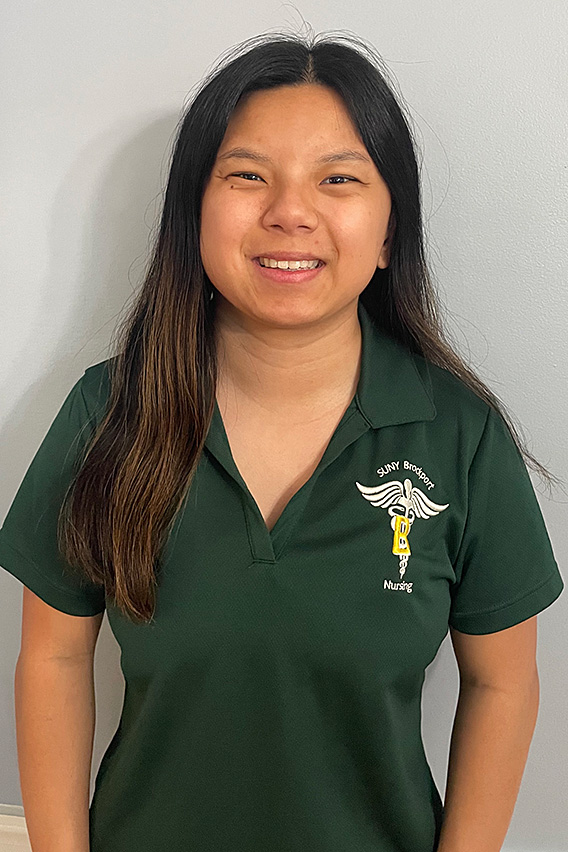 “MSSP helped me to not only see the challenges a D/HH healthcare professional faces, but also have an idea of how I should overcome them, if I encounter the same challenges. Also, don’t be afraid to advocate for your needs, especially in the healthcare field which moves at a fast pace.” - Julia Carboni, BS ‘23, RN
As MSSP developed a roadmap to support trainees and structure their shadowing experiences, Carboni was unsure whether a career as a physician assistant or a nurse would be the best fit. MSSP arranged a three-day shadowing placement for her with Sarah Hein, MSN, FNP-C, at Aleda E. Lutz VA Medical Center in Saginaw, Michigan. Her time with Hein offered rich insight into how the team communicates with patients and colleagues using a variety of strategies. That exposure confirmed Carboni’s goals. She has since become a registered nurse and is currently employed at RRH Unity Hospital.
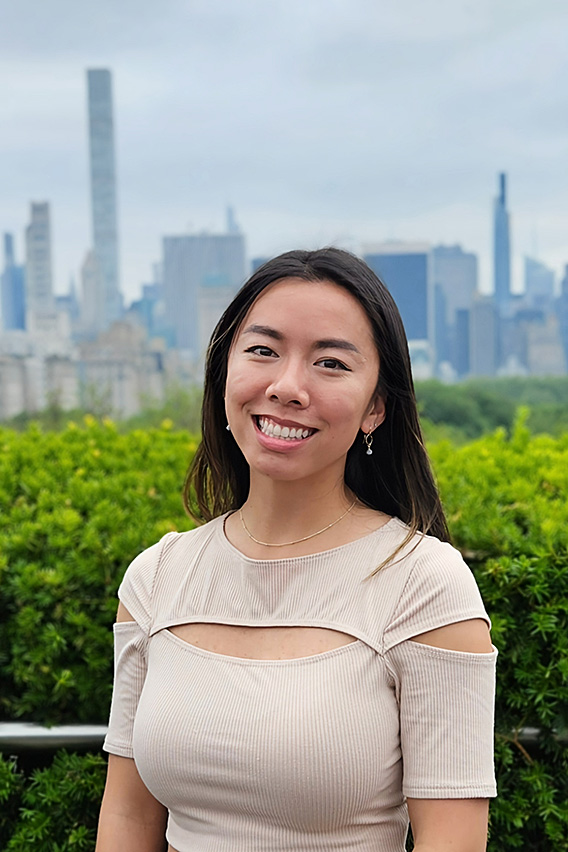 “Being part of MSSP strengthened my ability to advocate for my needs in the workplace while improving the care I provide to patients with hearing loss. The experience has deepened my empathy and awareness of nonverbal communication, allowing me to connect more effectively with patients and ensure each interaction is clear and intentional…” - Caty Goodman, BS ‘25, RDMS
Goodman shadowed Emily Stamaris, BS, RDMS, RVT, at South Shore Health in Boston, to learn about the day-to-day work of a diagnostic medical sonographer. Over three days she observed Stamaris’ responsibilities and clinical workflow, noting how sonographers use multiple communication modalities in practice. Seeing Stamaris apply varied communication strategies expanded Goodman’s repertoire for patient care. She is now a registered Diagnostic Medical Sonographer, at Greenwich Hospital (Yale New Haven Health).
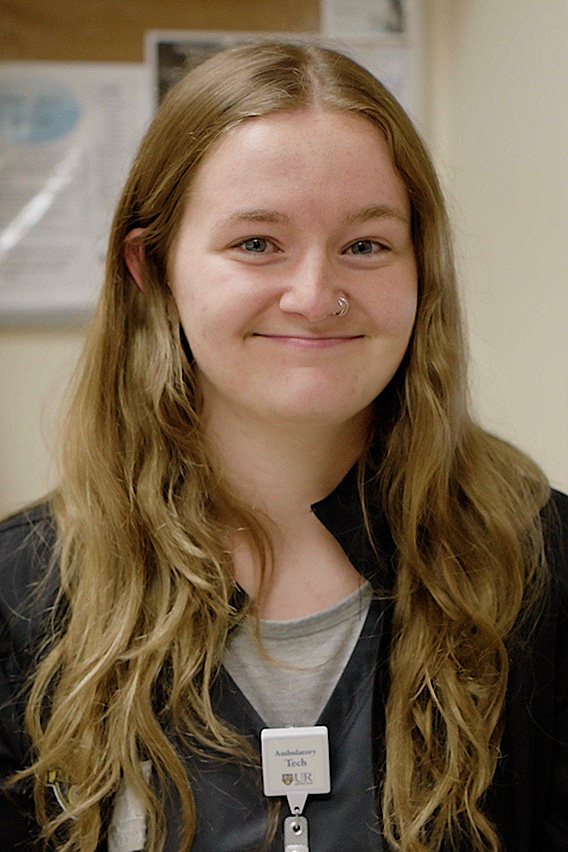 “As a Deaf individual, the MSSP helped me develop strong self-advocacy, communication, and problem-solving skills. Watching other Deaf professionals succeed while I was in the program strengthened my Deaf identity and showed me that I could confidently pursue a healthcare career. MSSP also prepared me to navigate accessibility needs, collaborate with hearing professionals, and advocate for appropriate accommodations…” - Barbara Essex, BS ‘23
Essex completed a shadowing experience at University of Rochester/Strong Memorial Hospital with Nicole Fleming, BSN, RN, while deciding on her career path. As an ASL user, Essex closely observed how Fleming communicated with patients. Through the nursing shadowing experience she gained effective communication techniques and saw the value of working with a team that trusts one another and has each other’s back. This experience clarified her career goals and helped her identify which clinical discipline that best fit her interests and strengths. She works as an ambulatory technician at UR/Strong Memorial Hospital and will enter a nursing program.
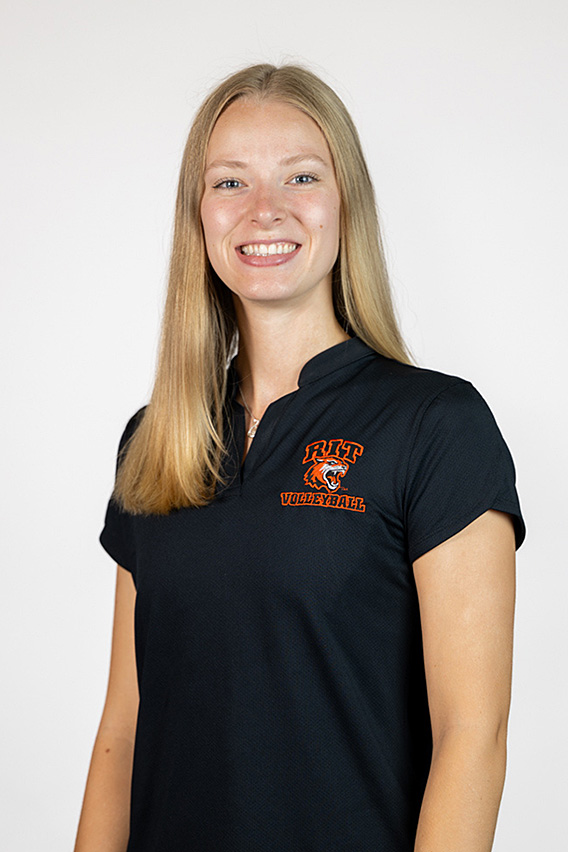 “...Seeing this wide variety of patients, and how the providers interacted with them prepared me for many of my courses and clinical work that focuses on interacting with patients in a way that is respectful, inclusive, and ensuring they have the education needed to maintain good oral health. The providers used videos, models, images, plain language, gestures, and more to ensure their communication was inclusive. These methods will be very helpful in my training and career. I feel more prepared and confident to interact with patients, but also to interact with other medical professionals who may have different backgrounds, or different knowledge about patients with various disabilities and experiences.” - Grace Phelan, BS ‘24
Phelan visited Joseph Samona, DDS, whose dental clinic is grounded in open mindedness and empathy. She observed how the team engaged a wide variety of patients with diverse backgrounds and comorbidities, noting the ways clinicians empowered patients to maintain good oral health. The shadowing experience solidified Phelan’s commitment to dentistry and gave her a clearer sense of patient care in practice. She is a first-year student at University at Buffalo School of Dental Medicine.
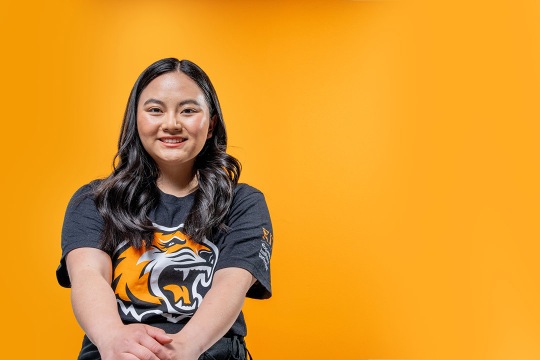
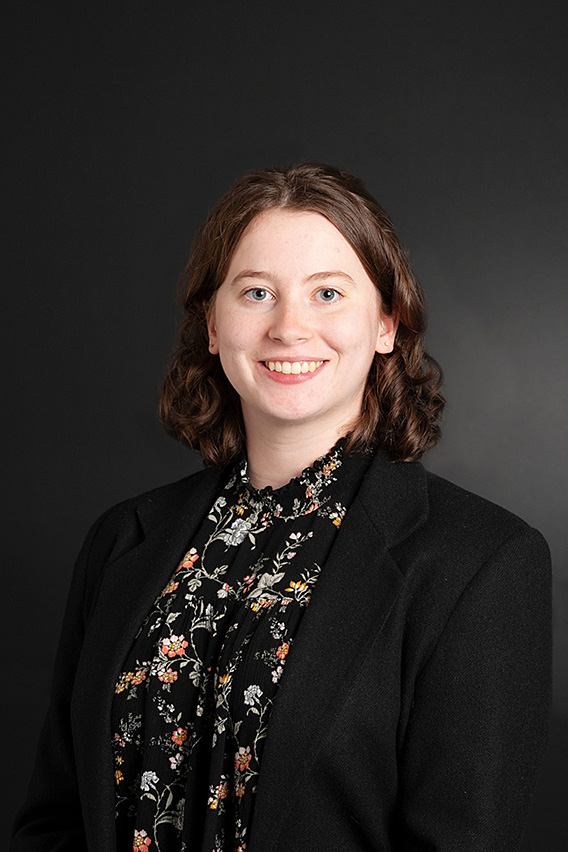 “Dr. Featherstone emphasized the importance of communicating with your team and patients. During my three-day shadowing experience in his pediatric primary care office, he began each encounter by identifying himself as Deaf and encouraging all parties to speak up if communication was unclear. This simple action set a warm and inviting tone with the patients and their families, and it motivated me to be more open about my hearing loss in the interest of providing the best care for my patients.” - Rhiannon Wagner, BS ‘25, EMT-B
Wagner shadowed Zachary Featherstone, DO, at Northeastern Nevada Regional Hospital in Elko, Nevada. Observing Dr. Featherstone’s patient, compassionate interactions reinforced the clinical values she admired and demonstrated successful communication approaches. Seeing a Deaf physician in practice confirmed the field was achievable. Wagner is continuing her journey at PACE University’s Physician Assistant program.
Looking Ahead
MSSP’s inaugural cohort shows how mentorship and practical exposure empower DHH trainees to succeed in healthcare careers. The program will continue to support future cohorts by building confidence, expanding access to accommodations, and inspiring the next generation of DHH healthcare professionals.
Co-directors of the MSSP Tiffany Panko, MD, MBA and Elizabeth Ayers MS, RVT, RDMS agree that shadowing is a vital element in a student’s journey towards identifying whether a career is a fit. However, finding people to shadow requires already having access to those mentors, which is often not easy for deaf and hard-of-hearing students, hence the need for a program like the Mentor Supported Shadowing Program.
Follow MSSP’s journey and celebrate trainees as they join the healthcare community!