Predicting the Tensile Strength of Fiber Reinforced Composites
Researchers at the Fiber Composite Reliability Lab (FCRL) are using the Global Load Sharing (GLS) model and Monte Carlo simulations to accurately predict the mechanical properties and understand the factors affecting the strength of advanced fiber-reinforced composite materials, enabling the design of stronger and more durable materials for use across various industries.
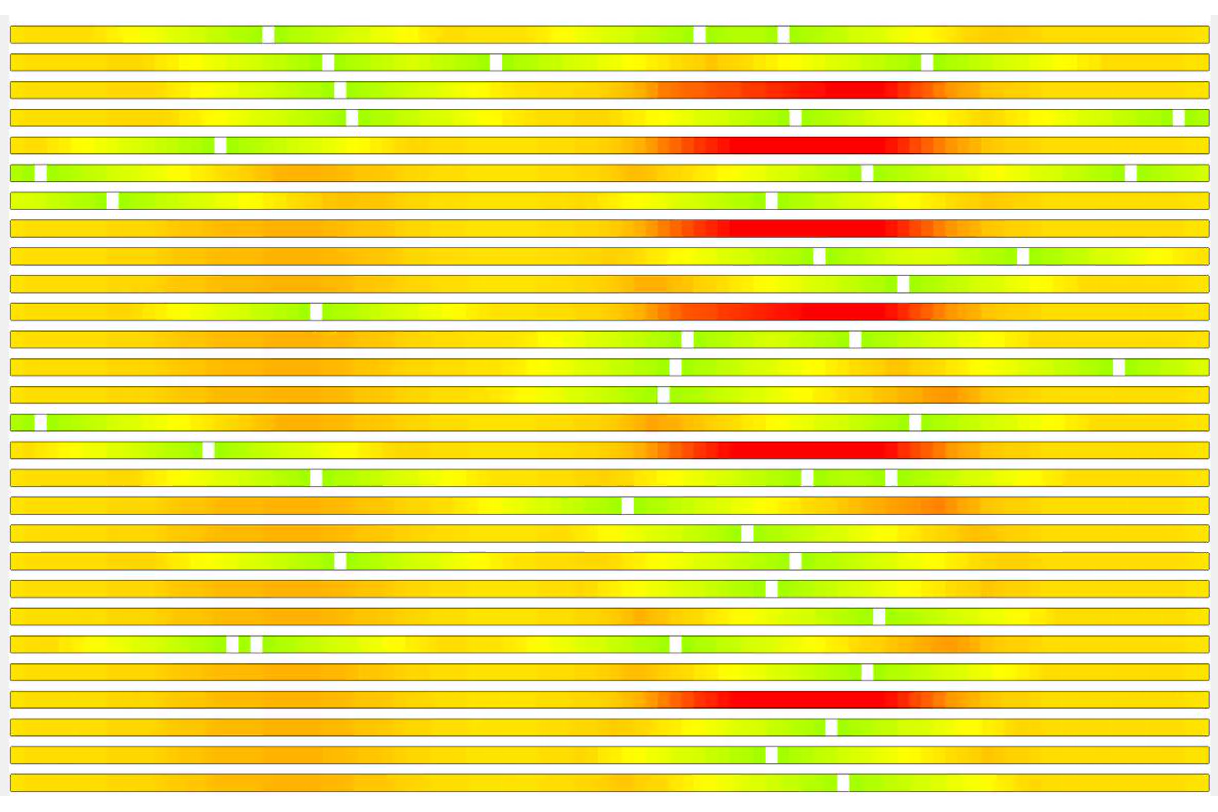
Engineers and material scientists are always seeking to develop robust, cost-effective materials with the desired mechanical properties. This has led to the use of fiber reinforced composite materials in many industries, and for varying engineering applications. These materials are made by combining two different materials to create an even stronger and more durable material. These materials are used in many industries like aerospace, construction and defense. It is important to understand what affects the strength of fiber reinforced composites as this can help engineers make better materials. A major challenge with the use of these materials is the fact that their material properties are not as predictable as metals and other conventional materials. At the Fiber Composite Reliability Lab (FCRL), we are working on utilizing engineering models to predict the mechanical properties of fiber reinforced composites. The Global Load Sharing (GLS) model helps predict the strength of composite materials. In this study, we looked at different factors that affect composite strength. By using a technique known as Monte Carlo simulation to replicate real-world data and using this data in our GLS computer code, we were able to see how these materials perform under stress. When we understand how forces are shared using the GLS model, we can design stronger and more durable materials.
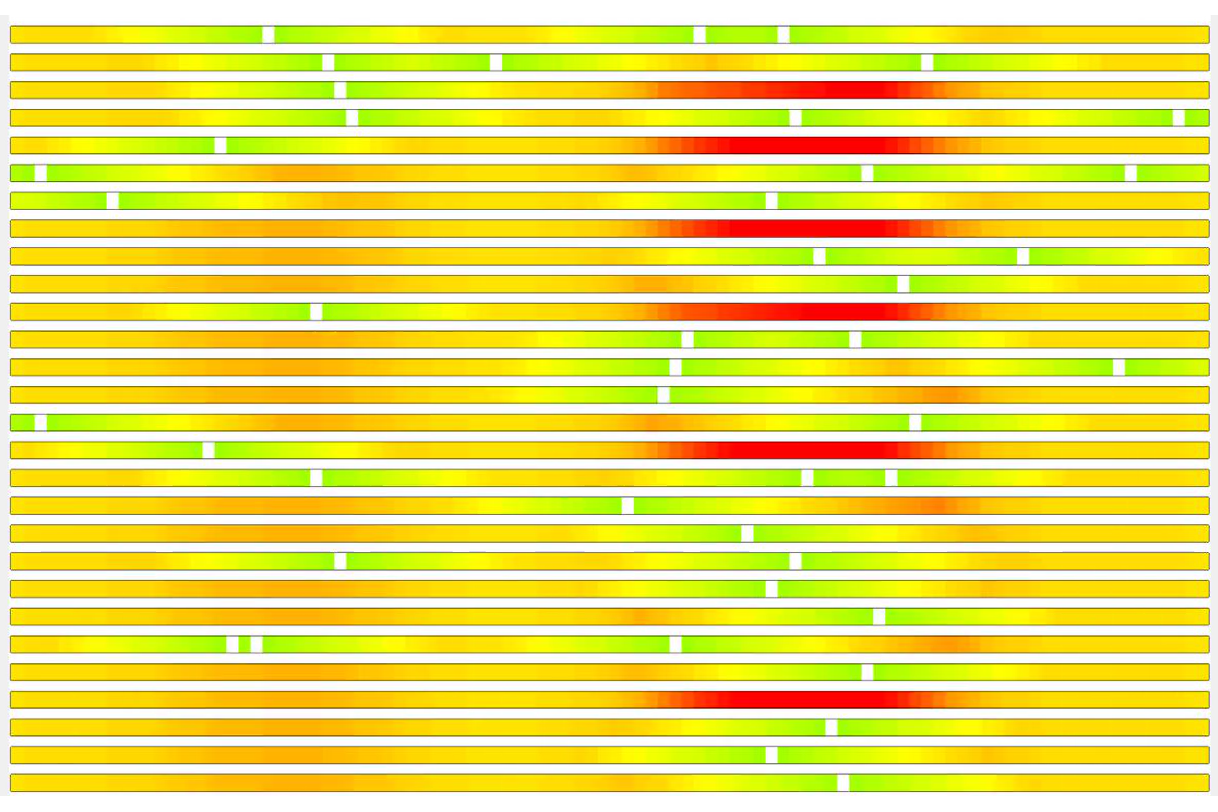
Figure 1: Failure of a fiber reinforced composite under the Global Load Sharing Model
More Featured Profiles and Work
Imtiaz Ahmed Shozib

Paarth Mehta
Valeria Marin-Montealegre
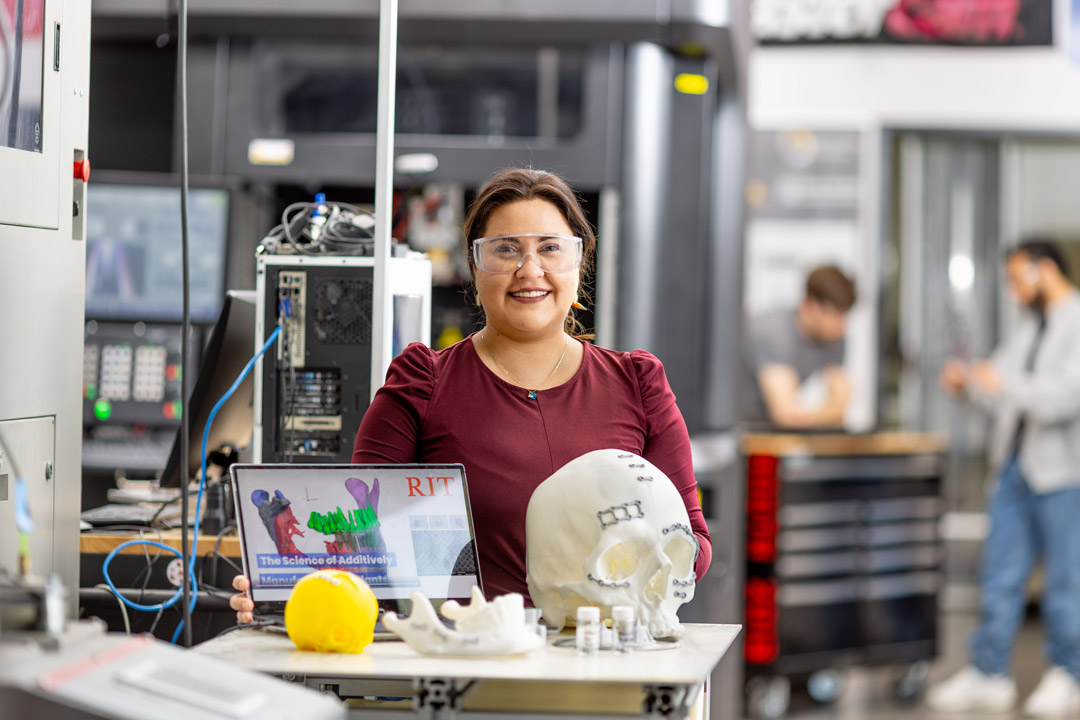
Valeria Marin Montealegre