Vertically Integrated Project
Transformative Stories: Writing Systems and Narrative Understanding
Goals
This creative, research-based Vertically-Integrated Project is the outgrowth of a ten-year, collaborative Digital Creation Workshop co-designed and taught with the l’Université de Paris-8 that now involves faculty and students at the Università del Piemonte Orientale in Italy, as well. This latest project centers on the potential impact of Large Language Model AI (and broader algorithmic processes) on current practices of writing, reading, and understanding narrative as a collective, systemic cultural repertoire and force, as well as an individual practice. It approaches LLM AI as one of the latest transformative, technological additions to a much longer and more consequential history of writing systems that have shaped human cognition, communication, social forms, political discourse, and material life in distinct ways.
Focusing on the collective dimensions, emergence, and consequences of writing systems from a historically and culturally-rich, comparative, literary perspective, it quickly becomes clear that the textual production, or writing capacities of LLM-AI have yet to be envisioned as a part of a mutually-beneficial, collective, cultural system of meaning-making and narrative exchange. However striking their ability to generate narrative text on command for an individual user, and to draw statistically from the social and cultural data on which they are trained, current proprietary, LLM-AI chat-bots and their owners seem willfully ignorant of the consequences of their textual production and dissemination on the individual, social, and cultural meaning that accrues across these systemic processes.
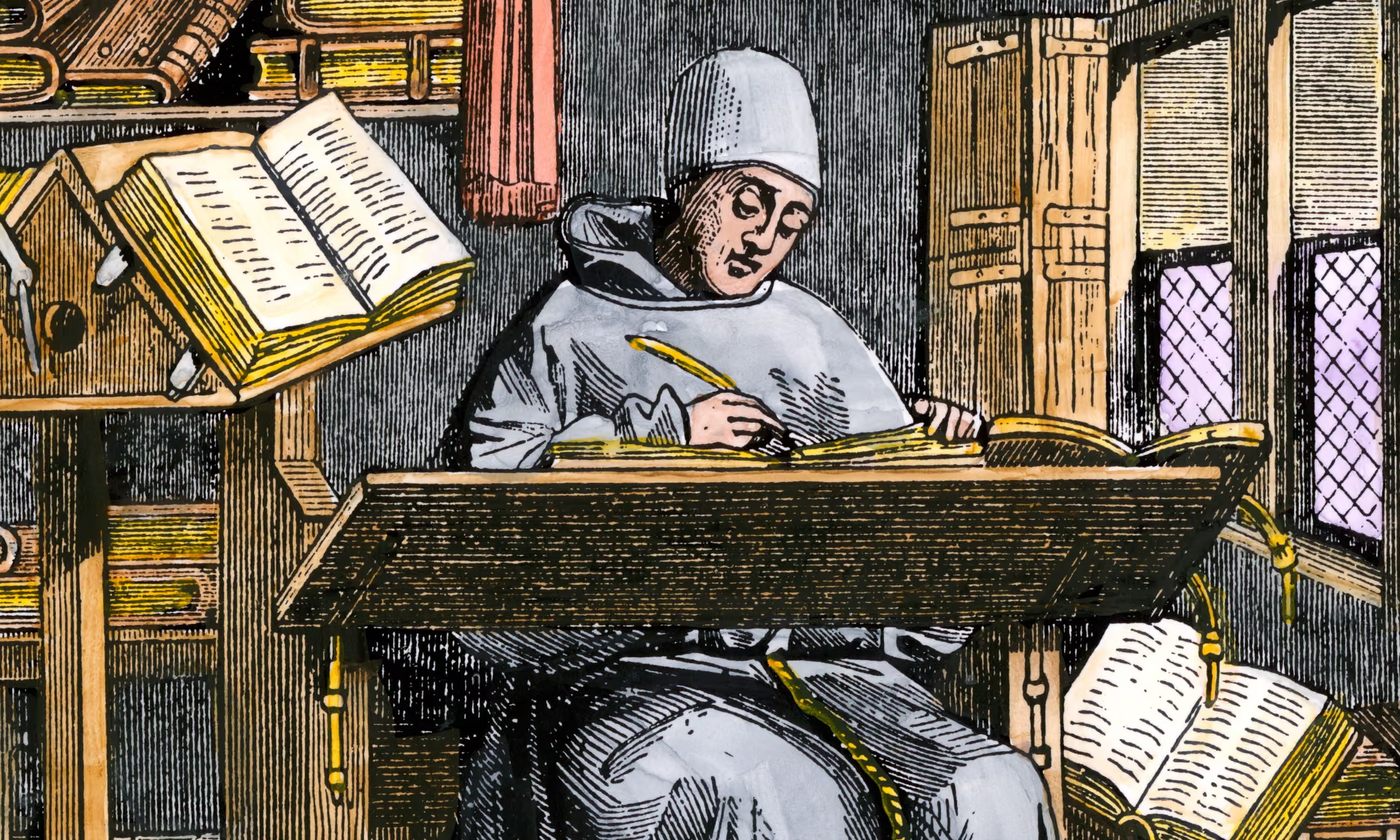
The transformative impact of the printing press as a technological addition to 18th century writing systems, for example, extended well beyond the printing process or automated generation of text, leading to new audiences of readers and writers, social practices - such as public libraries - and anti-authoritarian political forms grounded in the more educated populations inexpensive, mass publishing allowed. LLM AI companies, as of yet, have no vision of how their text generation will contribute to (and/or diminish) broader social and cultural communities, narrative understanding, and the material environments that sustain them, other than saving time through the automation of everyday writing tasks, which completely overlooks how automated textual generation impacts readers, learners, and societies, at large, especially when the resource intensive nature of these technologies is tallied.
Focusing on the significant contributions that literary, fictional narratives make to contemporary writing systems, this research-based project will engage professional authors of digital literature, students interested in digital storytelling, and project team members in the design and construction of a web-based community that will create, exchange, and evaluate short works of narrative fiction they have written using a wide range of technologies (low and hi-tech) and methods, potentially including or strategically excluding LLM AI in their processes.
Serving as an experimental model of literary narrative writing, reading, and discussion, we will work with this experimental storytelling community to identify those essential protocols and parameters of fictional narrative writing, reading, and discussing that build community and collective meaning-making and reflective thought, i.e., resulting in transformative stories. We intend to identify the kinds of narrative cues, reading practices, and reflective exchanges that engage the community in stories that speak transformatively to their experience in, and well-beyond their reading of a text and, thereby, resonate with collective, cultural meaning and life-worlds in meaningful, sustainable, community-building ways. We will subsequently integrate options to engage with these crucial traits of fictional narrative exchanges into our model and expand access to it over time.
As a community-driven engagement with the transformative influences of LLM-AI on creative literary writing systems today, we intend to identify and complicate the models and understanding of narrative that LLM-AI and computational models of narrative and cognition prioritize by juxtaposing the thick resources of narratology and literary fiction, which understand and anticipate the collective processes of writing, reading, and analysis (as apparent in D & D communities, for instance), and through their modeling can identify and accentuate the consequences of a diminished model of narrative exchange and understanding and recommend alternatives.
Issues Involved or Addressed
- Community-building & digital infrastructures
- Narrative Practices
- Writing Fiction
- Collective and/or Collaborative Writing
- Computational Models of Narrative & Cognitive Narrative Theory
- Enactive, embodied, and experiential approaches to narrative
- Collective Meaning-Making
- Close Writing and Reading Practices
- Creativity and AI
- Symbolic and Connectionist AI
- Community-Driven AI
- Human-Centered AI
- Digital Fiction Generators
- Digital Literature & Storytelling
- Writing Systems and Socio-technological change
- Multi-stability of technology
- Material ecosystems and sustainable practices
- Econarratology
Methods and Technologies
These are some of the digital methods we will use to design and launch a web-based fiction generator and community of writers and readers. Team members are not required to use or be familiar with these before the class begins.
- Github
- Markdown
- Json
- Javascript
- Zotero
- Claude / Gemini / Chat GPT / Albert (French, open-source LLM for researchers)
Academic Majors / Major Area of Interest
This course is ideal for undergraduate and graduate students who are passionate about digital storytelling and multimedia narrative creation, interested in experimenting and creating with open-weight and/or open-source LLM AI, and curious about the history of literary experiments with writing technologies and their social and cultural impact on how we understand reading, writing, subjectivity, agency, collaboration, community, and memory. Students will thrive in this course if they are curious, collaborative, and eager to work across disciplines and cultures to experiment with writing and readig digital fiction, researching literary experiments with writing technologies (printing press, typewriter, film, photography, hypertext, twine, game-based narratives), and creating web-based resources for digital writers that transparently assess the contributions AI systems make to these creative processes and generated fictional texts.
Academic Majors & Programs relevant to project include, but are not limited to:
- English
- Science, Technology, Society (STS)
- AI
- New Media Design / New Media Interactive Development
- Human-Computer Interaction (HCI)
- Game Design & Development
- Computer Science / Software Engineering
- Cognitive Science
- Humanities Computing
- Philosophy
- Psychology
- Anthropology /Sociology
- Individualized Study
Areas of Interest include:
- Digital Literature & Storytelling
- Narratology
- Digital / Experimental Narrative
- AI
- Community-Based Design
- Narrative and cultural reproduction
- Socio-technological change
- Cultural Heritage and Memory
- Experience Design
- Tech for Social Good
Team Meeting Time and Place
There will be mandatory team meetings on Tuesdays from 11:00 a.m.-12:15 p.m. (campus location tbd). Several of these meetings from March - April will include French and Italian faculty and student collaborators via Zoom. All other project activities will be determined based on spring schedules and availability. Interested team members can apply to participate in an intensive workshop in Paris to be held May 20 - 26th with faculty and students from our French and Italian teams.