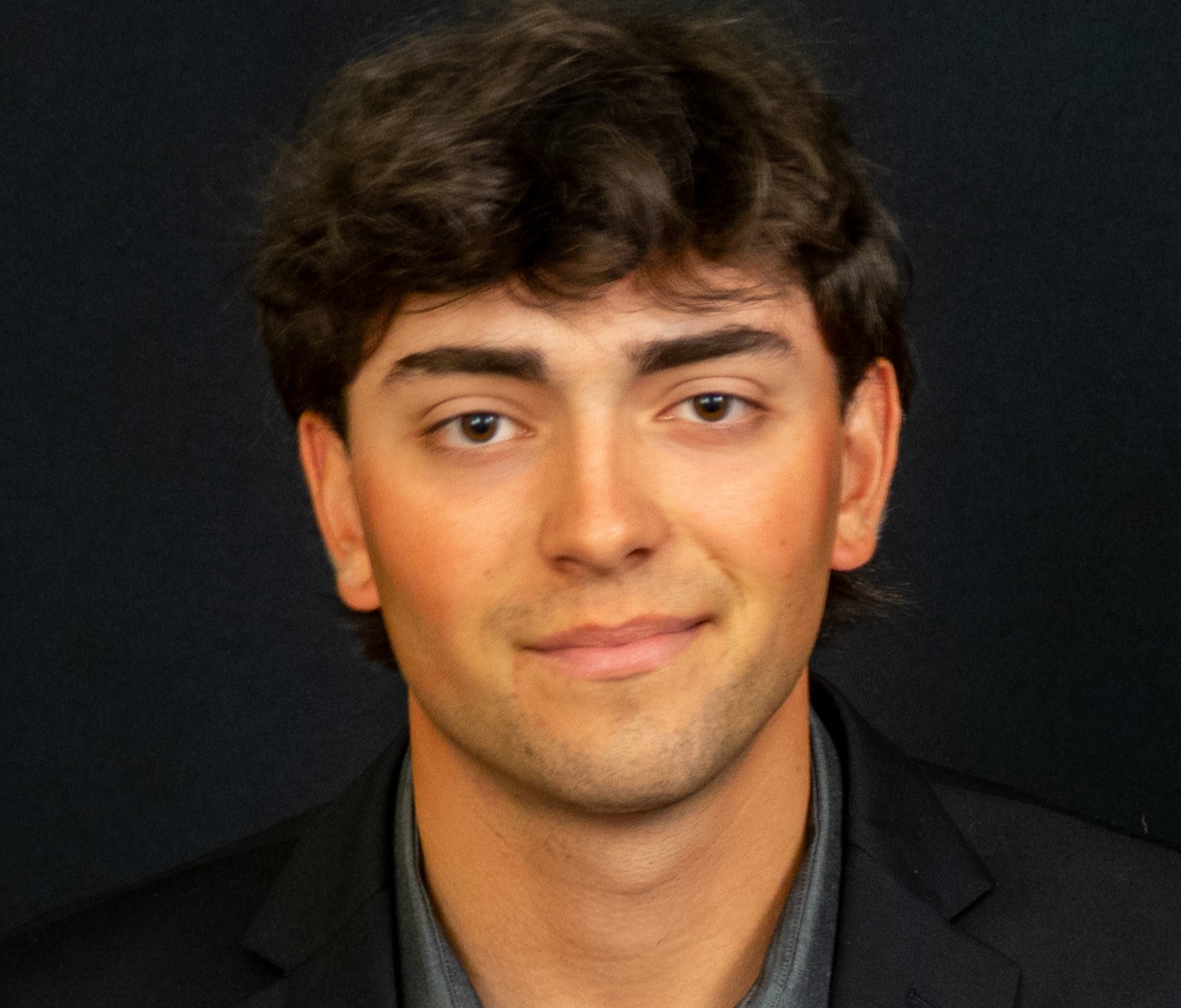
Bridging Business and Technology on the Amazon Fulfillment Floor
"Saunders gave me the exact mix of skills my co-op demanded. My MIS background let me go beyond identifying the problem at Amazon."
What is great about your co-op?
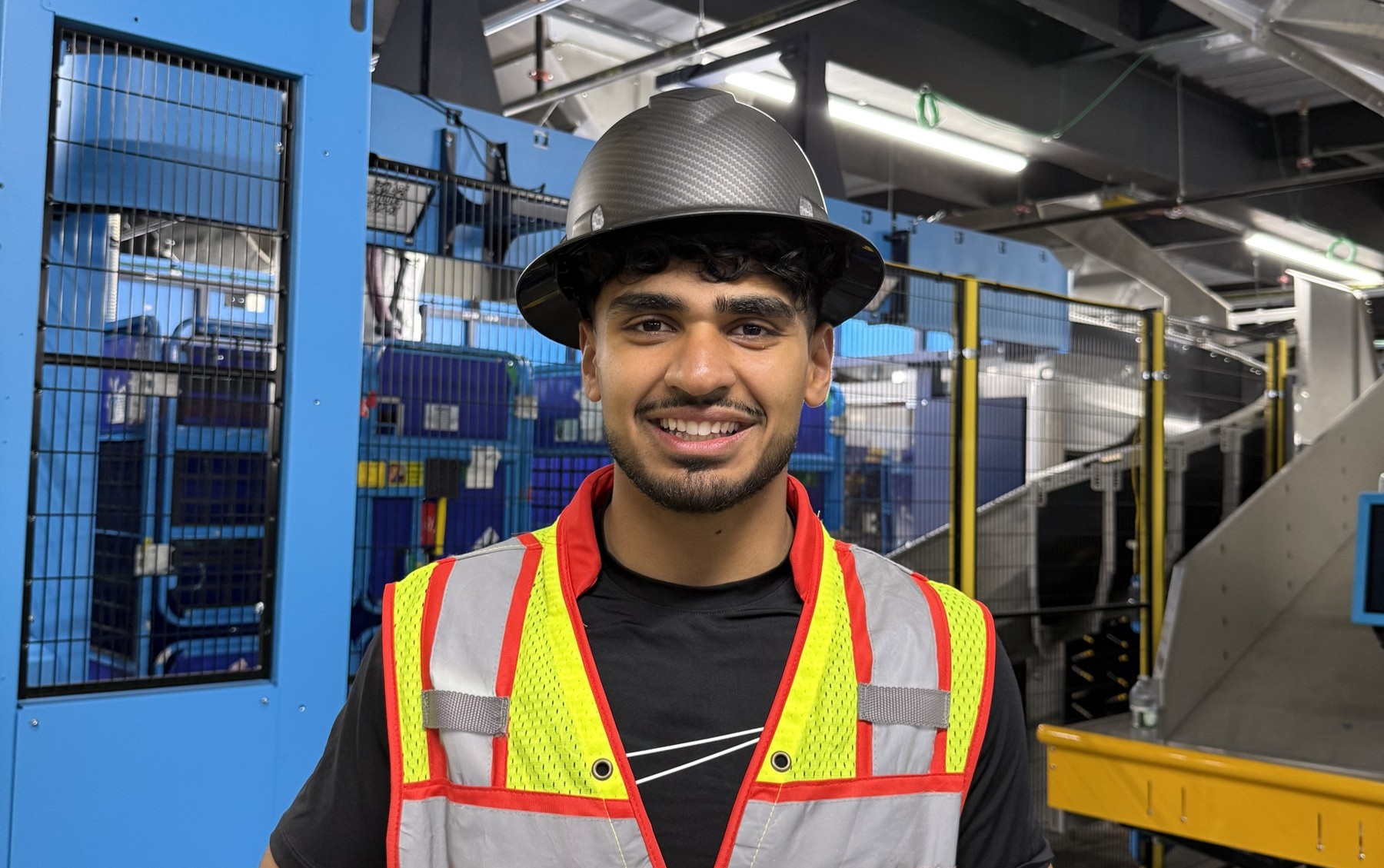
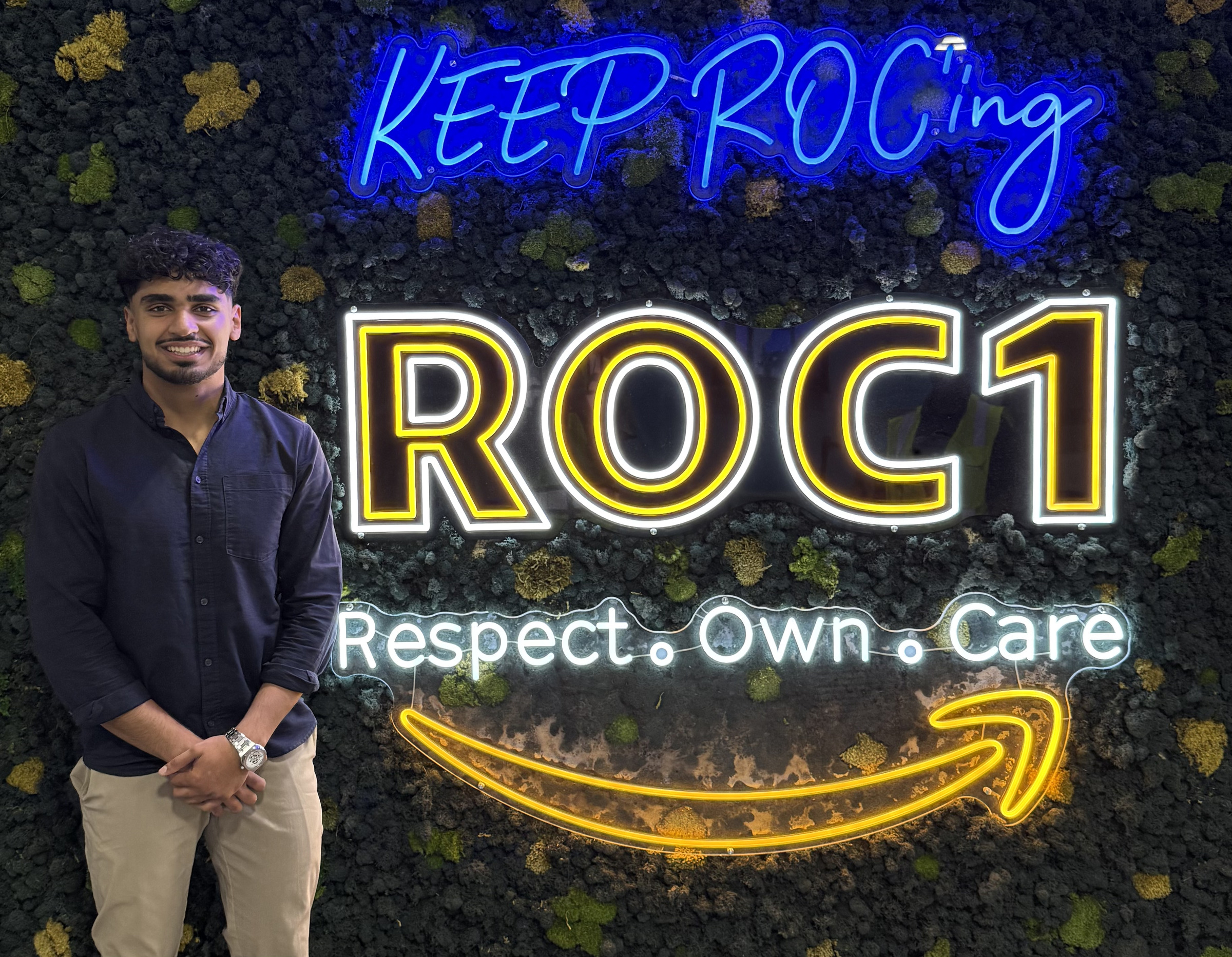
Amazon gave me real ownership from day one. As an Area Manager Intern at the ROC1 Robotics Fulfillment Center, I was given a live operational problem and had to track down the data myself. Digging into ship dock compliance data, I found about $500K a year in preventable outbound defect cost. Using a 5-Why analysis, I changed the conversation from "new hires have a bad work ethic" to "our training department isn't giving new hires the resources they need to succeed." I presented that to site leadership, they adopted my plan, and I built a no-skip training and certification system with 7 modules in 4 languages, a live dashboard, and in-person floor verification. Trained associates produced 67% fewer defects than peers with the same tenure, and the system is projected to eliminate about $480K of that cost. My favorite part was seeing a project go from a data question I dug up myself to a solution the whole site now uses.
Working with associates, area managers, and senior leaders taught me how to earn buy-in at every level, and I learned to juggle floor time, data analysis, leadership presentations, system building, and 6 facilitator decks at once. I finished by handing the full system to the L6 Operations Manager with a no-code editor so the site can keep running it without me.
In what ways has Saunders/RIT prepared you for the job market?
Saunders gave me the exact mix of skills my co-op demanded. My MIS background let me go beyond identifying the problem at Amazon: I pulled and analyzed the data myself, then programmed the training system, live dashboard, and no-code editor without waiting on an engineering team. My Global Business Management degree prepared me to work across cross-functional and cultural teams, which mattered on a floor where I built training in 4 languages for associates from many backgrounds and had to earn buy-in from associates, managers, and senior leaders alike. My Operations Management coursework, with case studies on lean operations at Caesars and Tesla's supply chain, gave me the root-cause and process-improvement frameworks I used on the floor, and my Accounting minor helped me translate defects into a dollar figure leadership could act on.
Why did you decide to attend Saunders College of Business at RIT?
I wanted a business school that incorporated technology, and Saunders' combination of Management Information Systems and Global Business Management let me build both technical and business skills. RIT's co-op culture was another big draw, since real work experience is built into the program rather than treated as an afterthought. I was also very fortunate to receive the Saunders Scholarship, which helped make attending RIT possible, and I've tried to make the most of that opportunity ever since.
What do you feel is the most distinctive advantage gained from your Saunders experience?
The most distinctive advantage is being able to bridge business and technology. Most people I worked with were strong on one side or the other, but Saunders trained me to do both: I can find a problem in the data, explain it to leadership in business terms, and then build the solution myself. Beyond the classroom, Saunders pushed me into real-world experiences like co-founding LedgerMind (AI FinTech), studying abroad in Croatia, and serving as an RIT Global Ambassador. Those experiences gave me the confidence to take ownership, adapt to new environments, and lead across different teams and cultures.
More Featured Profiles and Work
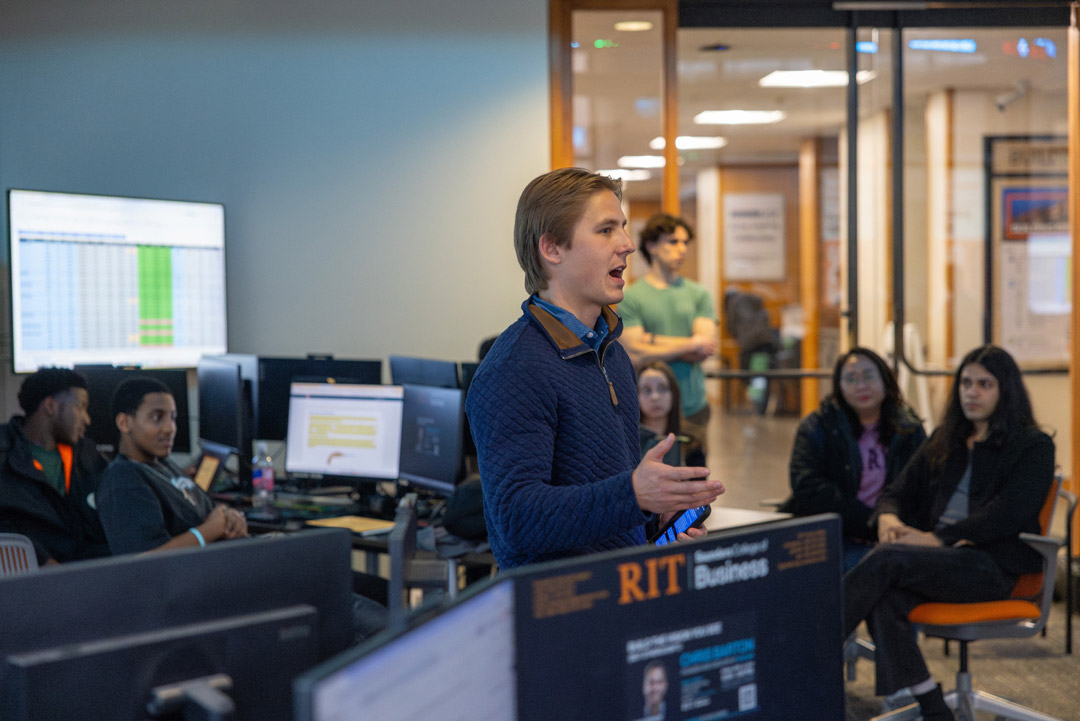
Owen Cavo
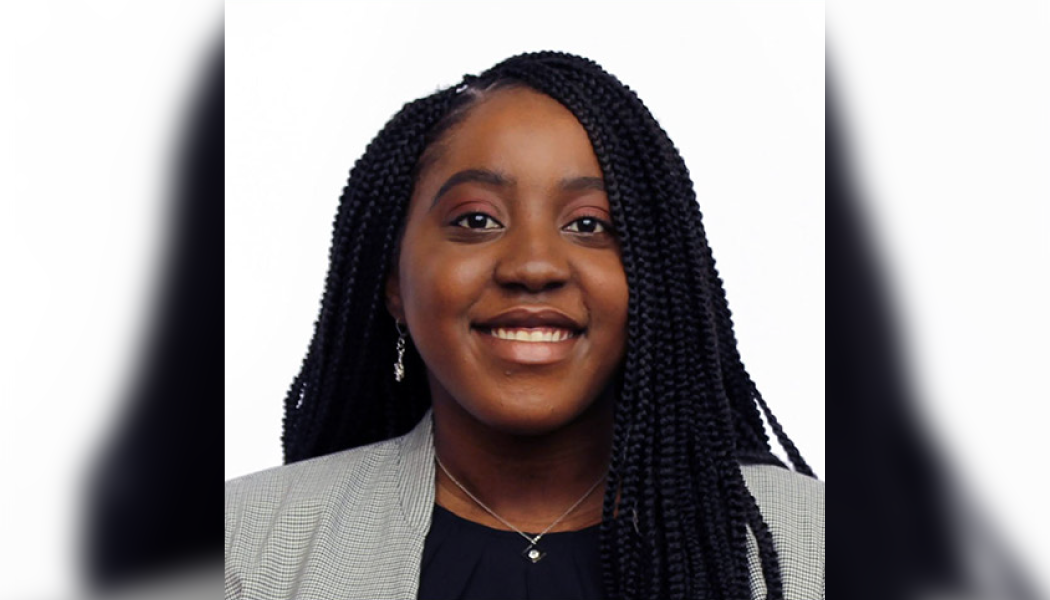
Rachel Romaine
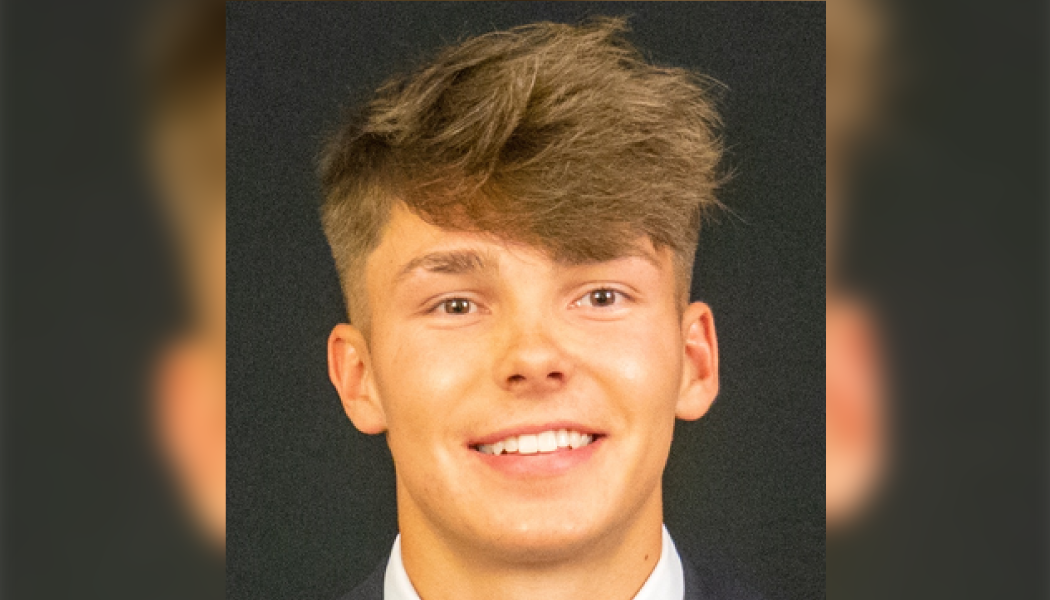
Maxsim Mekker, co-op