Journalism Option - Communication BS

In RIT’s journalism option, you’ll master the skills to successfully interview, investigate, write, edit, report, and publish news and featured stories across a range of digital media.
Overview for Journalism Option - Communication BS
Why Pursue the Journalism Option at RIT?
Gain Real-World Experience: A required block of cooperative education means hands-on, full-time paid work experience in the industry.
Dynamic Courses: Gain a deep understanding of news writing, news editing, multi-platform journalism, communication theory, mass communications, law and press ethics, and computer-assisted reporting.
Exciting Capstone Learning Experience: Put your knowledge to work by producing a long-form piece of journalism, a website, and a digital portfolio of selected works.
The journalism option primes you to collect, critically assess, and merge both verbal and visual data to effectively communicate news stories across diverse media channels. Beyond writing and reporting, you'll craft audio and visual content for dissemination across various platforms, positioning you as a skilled and valuable asset for future employers specializing in news reporting and factual narration. This option is part of the communication BS degree
RIT's journalism option benefits from the university's renowned focus on cutting-edge technology while centering on the foundational reporting and writing proficiencies essential for professional journalists. The option prepares you for the dynamic landscape of digital media, where you'll acquire both conceptual understanding and practical expertise essential for success in digital newsrooms. Through a blend of journalism, communication, and relevant professional course work, you'll develop the skills necessary to thrive in the digital media landscape
In RIT's journalism option of the communication degree, you are required to complete one block of cooperative education experience.
Journalism Course Work
You will develop skills through a core of required journalism courses, which cover news writing, news editing, multi-platform journalism, communication theory, mass communications, law and press ethics, and computer-assisted reporting. A professional core of four courses, chosen from RIT’s colleges of Art and Design, Business, or Computing and Information Sciences, introduces you to photojournalism, multimedia, web development, digital entrepreneurship, and building a web business. Journalism electives, free electives, and liberal arts courses complete the curriculum.
Senior Capstone Project
Put your learning to work in a senior capstone project that serves as a culmination of your journalism education. You will produce a project relevant to the journalism industry, such as a long-form piece of journalism, a website, and a digital portfolio of selected works that you created throughout your courses, co-ops, and activities at RIT.
Careers and Cooperative Education
Cooperative Education
What’s different about an RIT education? It’s the career experience you gain by completing cooperative education and internships with top companies in every single industry. You’ll earn more than a degree. You’ll gain real-world career experience that sets you apart. It’s exposure–early and often–to a variety of professional work environments, career paths, and industries.
Co-ops take your knowledge and turn it into know-how. A liberal arts co-op provides hands-on experience that enables you to apply your knowledge in professional settings while you make valuable connections between course work and real-world applications.
You’ll complete one required co-op in the journalism field as part of your degree. Journalism students have completed co-ops at a range of news organizations, companies and not-for-profits where their skills in journalism help tell important stories to wide audiences.
Featured Work and Profiles
-
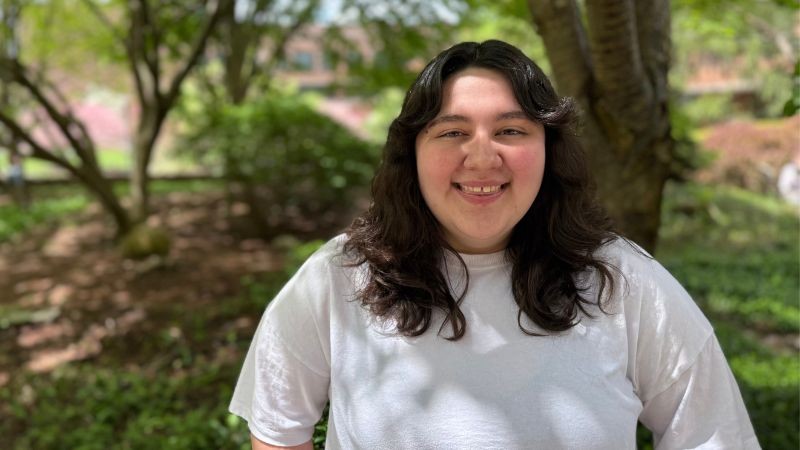
Four Years and a Full Experience: From career-launching co-ops to clubs and research, this 2025 grad made the most of every moment at RIT
Hailey Fowler began at RIT like so many other first-year college students, slightly shy but super psyched to begin her college journey. At RIT, she soon connected with experiences that gave her an...
Read More about Four Years and a Full Experience: From career-launching co-ops to clubs and research, this 2025 grad made the most of every moment at RIT
Related News
-
October 2, 2026
Hinda Mandell on … Crocheting in the Classroom?
Hinda Mandell, professor of journalism, appeared on Notre Dame's Designed for Learning podcast to discuss using crochet and other hands-on activities to engage students, support learning, and draw their attention away from digital spaces.
-
September 9, 2025

Winter, Spring, and Summer 2026 RIT Faculty-Led Study Abroad Programs
If you’re considering studying abroad, but aren’t quite sure how it will fit into your schedule, a Faculty-Led Study Abroad Program may be the perfect option. RIT’s College of Liberal Arts faculty are leading a fascinating range of courses during spring and summer 2026.
-
March 28, 2025

RIT researchers use AI to uncover surprising trends in media coverage of police
A new study from RIT and Carnegie Mellon University experts is challenging a widely held belief about the media—that local news outlets have become more critical of the police in recent years.
