Computing, AI, and Cybersecurity News
-
December 11, 2024

University researcher leads quantum computing project to improve electrical grid systems
Yan, an assistant professor of electrical engineering in RIT’s Kate Gleason College of Engineering, is leading a research team developing advanced optimization models and methods to manage complexities of operating the modern electrical grid through quantum computing.
-
December 10, 2024
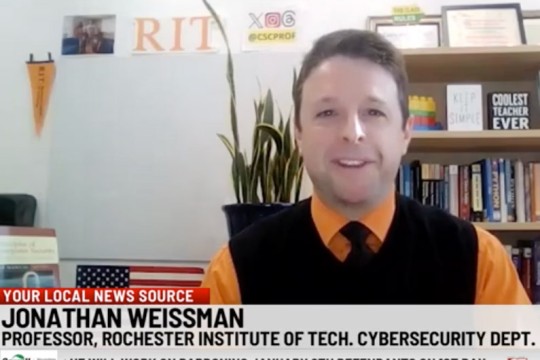
Malicious email, purportedly from PayPal; slips through filter; Pennsylvania woman bilked out of $15,000
WHTM-TV talks with Jonathan Weissman, principal lecturer in the Department of Cybersecurity, about the scams.
-
December 9, 2024

Distinguished Alumni Award winners named for 2024-2025
CEOs, Chief Financial Officers, and Chief Technology Officers are among the 12 RIT alumni honored with Distinguished Alumni Awards for the 2024-2025 year.
-
December 6, 2024
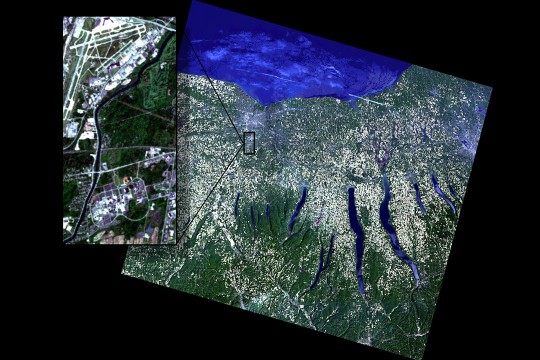
New NASA, USGS funding continues RIT partnership with Landsat
RIT researchers have been a partner with Landsat projects for decades, and a group is now helping the program prepare for its next iteration with Landsat Next.
-
December 2, 2024

WITR: Come for the music, stay for the community
Nestled in the basement of the Student Alumni Union, the WITR radio station space is a treasure trove of music, personalities, and nostalgia. The station and the music have greatly evolved since its first broadcast in 1961, but one thing has remained constant: the tight-knit network of students and alumni.
-
November 25, 2024

International research experience in Sweden seeks to develop the AI-enhanced workplace
A new National Science Foundation grant will allow 18 RIT students to travel to Sweden and conduct artificial intelligence (AI) research that enhances the industrial workplace. The students will take part in a program of AI research, professional development, and mentorship, which includes eight weeks at University West, near Gothenburg, Sweden.
-
November 21, 2024
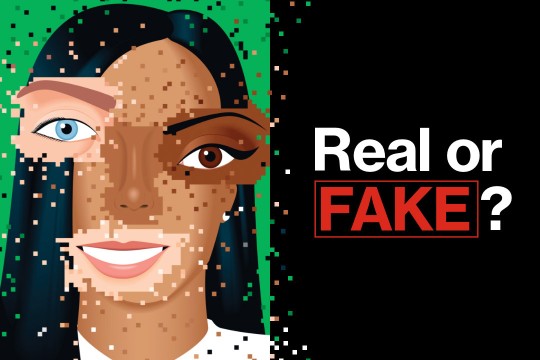
Detecting digital deception: RIT experts are helping journalists and intelligence analysts detect digital deception
Today, AI is being used to make deepfakes and manipulate media. At RIT, a team of student and faculty researchers is leading the charge to help journalists and intelligence analysts figure out what is real and what is fake. Their work has more than $2 million in funding from the National Science Foundation and Knight Foundation.
-
November 21, 2024

In and out of Africa
Africa is rich in natural resources and contains one of the most diverse ecosystems across the globe. The Sahara Desert itself is larger than the continental United States. With all the unique landscapes, wildlife, and growing urban areas, more than 30 RIT faculty have recognized the importance of traveling to the continent, all backed by RIT Global.
-
November 19, 2024

Student spotlight: Outside opportunities provide academic growth
A research project during Mohammad Saif's undergraduate career drew his attention to imaging, and now he has focused his academic career in remote sensing. Opportunities outside of the lab and the field have helped him learn how to better communicate and discuss the impact of his work.
-
November 15, 2024

National conference celebrates interdisciplinary collaborations and research
More than 170 higher education professionals from across the country came to RIT Nov. 14-16 for the 2024 a2ru National Conference. The a2ru national conference is an opportunity for practitioners and researchers from across higher education to share innovations and perspectives in the arts.
-
November 11, 2024

Amazon executive supports new path for cybersecurity students
Arthur Deane broke into the cybersecurity industry and he hasn’t looked back. Now, he’s helping others unlock opportunities in cybersecurity, paving the way for a more diverse and inclusive tech industry
-
November 8, 2024
RIT professor proposes new way to make artificial intelligence smarter and greener
The brain is a great source of inspiration for Alexander Ororbia, an assistant professor of computer science and cognitive science at RIT. By mimicking how neurons in the brain learn, Ororbia is working to make artificial intelligence more powerful and energy efficient. His research was recently published in the journal Science Advances.