Graphic Design Bachelor of Fine Arts Degree

Overview for Graphic Design BFA
Why Study Graphic Design at RIT
Workshops: Multiple annual workshops focused on community engagement and collaboration — including EUREKA!, which allows students to use their skills to initiate social change, and PUSH, a multi-day event captained by an industry designer.
Interesting Topics: Typography, branding and identity systems, designing for space and environment, interactivity and UX/UI, motion graphics, packaging design, publication design, design thinking, history and research.
Strong Career Paths: Students and alumni are employed by top design firms, advertising agencies, and corporations such as Adobe, Apple, ESPN, Fisher-Price, the NHL, Sesame Street, Sports Illustrated, Vogue Italia, and Walt Disney Company.
Industry Exposure: Faculty regularly facilitate collaborative class projects with industry, exposing students to a range of networking opportunities and practical experiences. Course partners have included Kraft, Milwaukee Tool, Mondelez, Precision Botanicals, Roomba, Starbucks, Unilever, and Wegmans.
Graphic design is used in everything from branding and identity, books and magazines, advertising, packaging, web and interface design, motion graphics, and just about everything in between. A graphic design undergraduate degree is perfect for students who eat, breathe, and sleep design, and would like to apply their skills in a hands-on way.
Explore RIT’s Graphic Design BFA Curriculum
In the graphic design undergraduate degree, you can create innovative and effective design solutions through a balanced approach that includes:
- Design thinking
- History
- Theory
- Conceptual explorations
- Problem-solving approaches and strategies
- Applied projects
- Technical development
As an RIT graphic design student, you are exposed to a full range of design topics, including:
- Information design
- Editorial design
- Environmental design
- Wayfinding
- Motion
- Branding
- Signage
- Packaging
- Interactivity
- UX/UI
Our program excels in digital creation but also maintains a large foothold and mastery of typographic principles and print. Being adept at both digital and print design is highly marketable, preparing you for a large range of jobs in the graphic media industry that represent digital, print, or both, while also having the capacity to see comprehensive design solutions and consistency across multiple media.
Hands-On Experience to Gain Real World Skills
We offer collaborative experiences in and out of class that will fully prepare you for internships and co-ops during your studies, and for full-time permanent positions after you graduate. These interdisciplinary and collaborative projects result in innovative and meaningful hands-on projects that encourage you to explore the social, ethical, and environmental impact of design.
You will be well-prepared to pursue positions within design firms, advertising agencies, corporations, and technology companies around the world. Alumni have worked for companies such as American Girl, Dick’s Sporting Goods, Disney, ESPN, Google, L.L. Bean, Mattel, Nickelodeon, Nike, Procter & Gamble, and Sports Illustrated, just to name a few.
Access to World Renowned Facilities
Among many, you will have access to RIT's Vignelli Center for Design Studies, the Cary Graphic Design Archive, and the Cary Graphic Arts Collection, further enhancing your graphic design learning and inquiry.
Furthering Your Education in Graphic Design
Combined Accelerated Bachelor's/Master's Degrees
Today’s careers require advanced degrees grounded in real-world experience. RIT’s Combined Accelerated Bachelor’s/Master’s Degrees enable you to earn both a bachelor’s and a master’s degree in as little as five years of study, all while gaining the valuable hands-on experience that comes from co-ops, internships, research, study abroad, and more.
+1 MBA: Students who enroll in a qualifying undergraduate degree have the opportunity to add an MBA to their bachelor’s degree after their first year of study, depending on their program. Learn how the +1 MBA can accelerate your learning and position you for success.

-

Apply for Fall 2027
Early Decision I and Early Action deadlines are November 1.
-

Meet Us on Campus
Learn about academics, co-op and internships, financial aid, and more at one of our on-campus open houses.
October 12 | October 24 | November 14
Careers and Experiential Learning
Typical Job Titles
| Art Director | Associate Art Director | Creative Designer |
| Creative Director | Digital Designer | Digital Product Designer |
| Freelance Graphic Designer | Graphic Designer | Experience Officer |
| Identity/Packaging Designer | Illustrator | Interactive Designer |
| Junior Art Director | Junior Director | Junior Graphic Designer |
| Motion Designer | Presentation Designer | Product Designer |
| Promotions Marketing Coordinator | Social Media Director | UI/UX Designer |
| Visual Designer | Web Designer | Web Developer |
Industries
Cooperative Education and Internships
What’s different about an RIT education? It’s the career experience you gain by completing cooperative education and internships with top companies in every single industry. You’ll earn more than a degree. You’ll gain real-world career experience that sets you apart. It’s exposure–early and often–to a variety of professional work environments, career paths, and industries.
Co-ops and internships take your knowledge and turn it into know-how. Your art and design co-ops will provide hands-on experience that enables you to apply your artistic capabilities in dynamic professional settings while you make valuable connections between classwork and real-world applications.
Cooperative education, internships, and other experiential learning opportunities are strongly encouraged for students in the BFA in graphic design.
Creative Industry Days
Connect with Design Industry Leaders
RIT’s Office of Career Services and Cooperative Education hosts Creative Industry Days, which connects students majoring in art, design, film and animation, photography, and select computing majors with companies, organizations, creative agencies, design firms, and more. Creative Industry Days are a series of events that allow you to network with company representatives and interview directly for open co-op and full-time employment positions.
Featured Work and Profiles
-
Medical Device Designs
RIT students in the Industrial Design (BFA and MFA) and Graphic Design programs showcased the power of industry partnership as they worked with medical technology company Stryker to design home...
Read More about Medical Device Designs -

Design students shine with their advertising work
Graphic design and new media design students were recognized at the local American Advertising Awards, which recognizes excellence in advertising campaigns and the highest creative standards in the...
Read More about Design students shine with their advertising work -

Student work honored in international competition
RIT designers were heavily featured in the 2026 Graphis New Talent Awards, a juried showcase of emerging creatives around the world. A number of the honored projects will also be featured in a...
Read More about Student work honored in international competition -
From Pasture to Plate: Life Cycle of Cheese
RIT graphic design students used their creativity to illustrate the complex life cycle of cheddar cheese in an engaging way.
Read More about From Pasture to Plate: Life Cycle of Cheese -

From Google to Amazon: Jason Blythe Elevates Digital User Experience
Jason Blythe '02 (graphic design), '05 MFA (visual communication design) has built a successful career in user experience (UX) design, working for major tech companies like Google and Amazon. Now at...
Read More about From Google to Amazon: Jason Blythe Elevates Digital User Experience -

Students Score with RIT Sports Network
Lexie Mancuso and Amanda Macey Since 2002, more than 1,200 students have gained valuable experience creating a multimedia production ensemble with RIT Sports Network.
Read More about Students Score with RIT Sports Network
Curriculum for 2026-2027 for Graphic Design BFA
Current Students: See Curriculum Requirements
Admissions and Financial Aid
First-Year Admission
First-year applicants are expected to demonstrate a strong academic background that includes:
- 4 years of English
- 3 years of social studies and/or history
- 3-4 years of mathematics
- 2-3 years of science
- Studio art experience and a portfolio of original artwork are required. View Portfolio Requirements for more information.
Transfer Admission
Transfer applicants should meet these minimum degree-specific requirements:
- Studio art or design experience and a portfolio of original artwork are required. View Portfolio Requirements for more information.
Financial Aid and Scholarships
100% of all incoming first-year and transfer students receive aid.
RIT’s personalized and comprehensive financial aid program includes scholarships, grants, loans, and campus employment programs. When all these are put to work, your actual cost may be much lower than the published estimated cost of attendance.
Learn more about financial aid and scholarships



Related News
-
September 30, 2026

RIT alumnus, son land $250K 'Shark Tank' deal for Ollyball
WHAM-TV speaks with RIT alumnus Joe Burke '89 (graphic design) following his successful appearance on ABC’s Shark Tank, pitching his product, Ollyball, to investors and landing a $250,000 investment with Shark Lori Greiner.
-
September 28, 2026

RIT alumnus gets a deal for his innovative toy on ABC’s ‘Shark Tank’
Rochester Institute of Technology alumnus Joe Burke ’89 (graphic design) turned his innovative idea into reality by accepting an offer on the hit TV show Shark Tank.
-
June 30, 2026
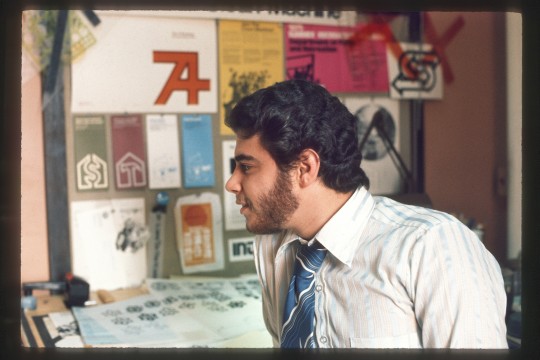
RIT graduate's City of Rochester logo design carries enduring legacy
Lee Green's design of the beloved "Flower City/Flour City" logo is the centerpiece of a new documentary celebrating the impact of Rochester's 50-year-old visual mark. Free, public screenings of the film are scheduled into the fall.
Contact

School of Design