Rochester Institute of Technology News
Imaging Science BS
-
September 22, 2026
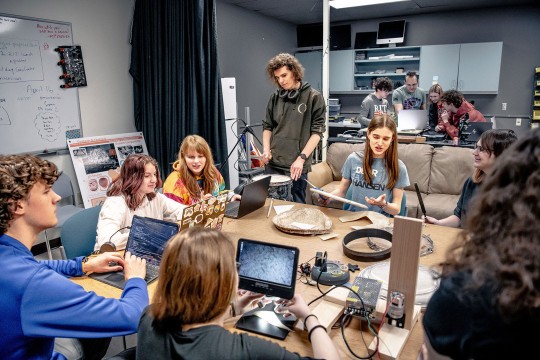
Freshman Imaging Project fuels a passion for innovation in RIT’s first-year students
Hands-on educational experience is key to future innovation, and students in RIT’s Freshman Imaging Project receive it as soon as they step foot on campus.
-
August 17, 2026
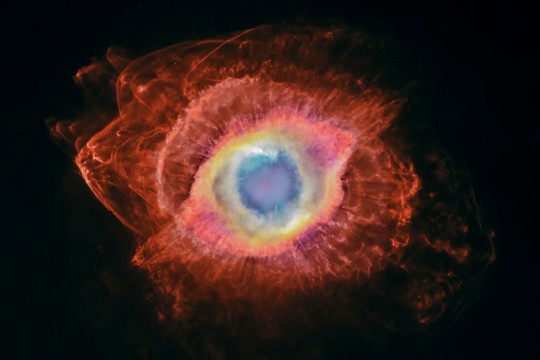
Tests of a New Telescope Captured the Faint Aftermath of a Star’s Death
The New York Times speaks to Joel Kastner, professor of imaging science at RIT, about new images from the MOTHRA telescope that reveal previously unseen stellar debris surrounding the Helix Nebula.
-
June 19, 2026
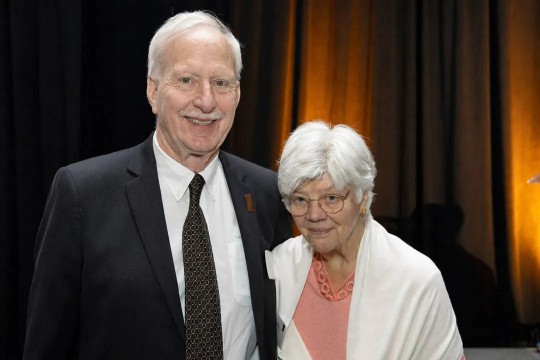
Harris, Pratt commit $24 million to RIT
Rochester Beacon reports on a $24 million commitment from Jeff Harris and Joyce Pratt to advance artificial intelligence leadership, faculty excellence, and student success.
-
June 18, 2026

Donors commit $24 million to advance AI leadership, faculty excellence, and student success at RIT
The $24 million gift supports several strategic priorities, including the creation of a Harris-Pratt Directorship for the university's new artificial intelligence institute expected to launch in early 2027, expanded scholarship support, and strengthened endowments for three distinguished professorships.
-
May 29, 2026
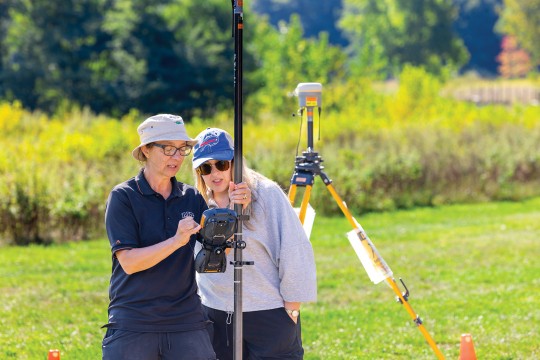
Science without borders
RIT researchers value citizen science, where making data available to everyone not only accelerates research but also fosters education, trust in science, and worldwide collaboration.
-
May 27, 2026

RIT students experience global learning with international fellowships
The DAAD (Deutscher Akademischer Austauschdienst) Research Internships in Science and Engineering provide fully funded summer opportunities in Germany for RIT undergraduate students to gain practical research experience.
-
May 18, 2026
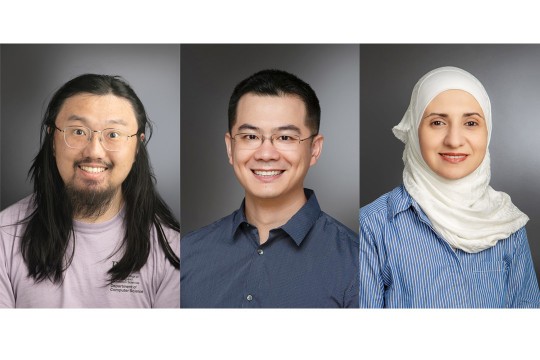
NSF CAREER Awards spotlight RIT research shaping the future of AI
RIT faculty members are tackling some of AI’s most pressing challenges with support from the National Science Foundation’s prestigious CAREER Award program, which recognizes early-career scholars who integrate cutting-edge research with student education.
-
April 22, 2026
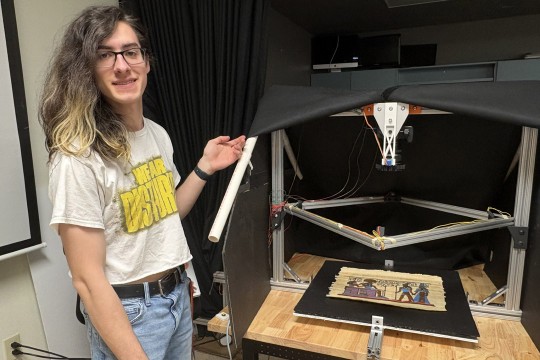
Freshman Imaging Project brings historic artifacts to new dimension
First-year imaging science and motion picture science students receive immediate hands-on, collaborative experiences as they start their college careers through the Freshman Imaging Project.
-
April 2, 2026

A curious secret of color vision revealed by scientists
Scientific American speaks to Benjamin Chin, assistant professor of imaging science, about new research showing how the human eye determines which color to focus on, with implications for vision science and virtual reality.
-
March 17, 2026
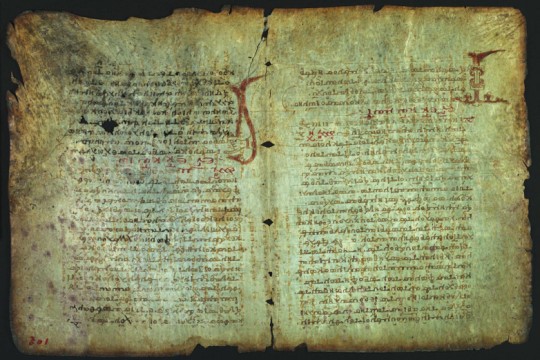
Erased, Burned, or Hidden from Sight, Unreadable Texts Are Being Decoded
Fine Books Magazine speaks to Roger Easton Jr., professor of imaging science, about using advanced imaging technologies to help reveal hidden texts such as the Archimedes Palimpsest, contributing to the preservation and interpretation of historical manuscripts.
-
December 2, 2025

Students go Into the ROC to connect with their community
Through Into the ROC, a program that introduced nearly 8,500 RIT community members to the region since 2016, students have explored, volunteered, and built lasting community ties.
-
November 19, 2025

RIT innovation helps illuminate lost history
The goal of libraries, museums, and archives around the world is to safeguard historical documents, but some objects can deteriorate with time. RIT’s Cultural Heritage Imaging (CHI) lab is using funding from the National Endowment for the Humanities to develop a relatively low-cost system that makes cultural heritage imaging methods more accessible.