Army veteran finds peace, and future, in photography
Juan Hernandez-Guerrero
Once Juan Hernandez-Guerrero discovered his passion and talent for photography after seven years of military service, he knew used it to help other veterans, too.
When Juan Hernandez-Guerrero’s seven-year Army service concluded, like many veterans, he searched for ways to “clear my head and find some peace.”
He found serenity in photography.
Hernandez-Guerrero is graduating this month with a BFA in photographic and imaging arts (fine art photography option). His experience at RIT was headlined by creative research conducted through RIT’s McNair Scholars Program and a portfolio of images that explore “double consciousness” and identity.
In the fall, he will continue his education in Columbia University’s visual arts MFA program.
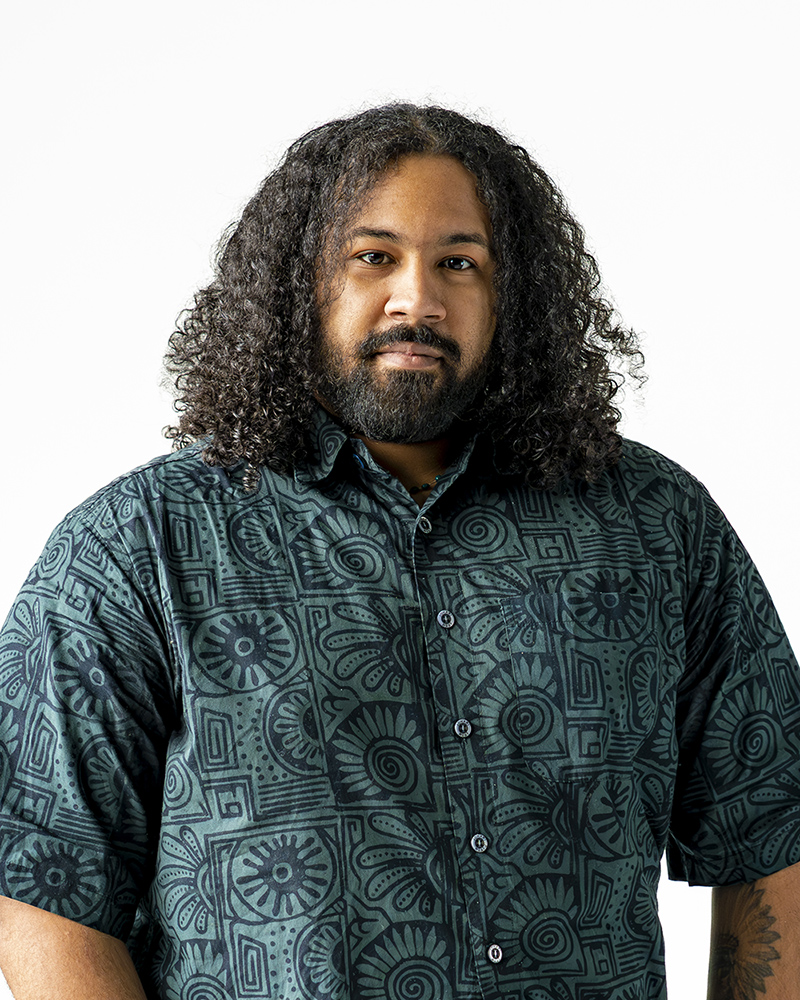
Jadyn Taylor
Juan Hernandez-Guerrero
“I came out of the military feeling lost,” Hernandez-Guerrero said. “It’s one of those things where (in the military) you’re in a rigid environment, you know what’s going to happen next, it’s all scheduled. Then you have a more open-ended space.
“I found joy and openness (in photography),” he added. “It provided a voice I didn't have. It helped me.”
Hernandez-Guerrero transitioned back to civilian life after deployments to Kuwait and Iraq. He then spent time in his native Puerto Rico visiting and drawing inspiration from his father, a former missionary who would photograph his travels.
Hernandez-Guerrero restored his father’s worn film camera “just to see how a camera works.” Soon, it joined him on hikes to document Puerto Rican landscapes, a fledgling form of future work he would develop as a scholar and photographer at RIT.
“I went from photographing mushrooms, macro pictures, and anything I could find in the forest and finding a way to make a good image,” he said. “I expanded that relationship to where I’m at now.”
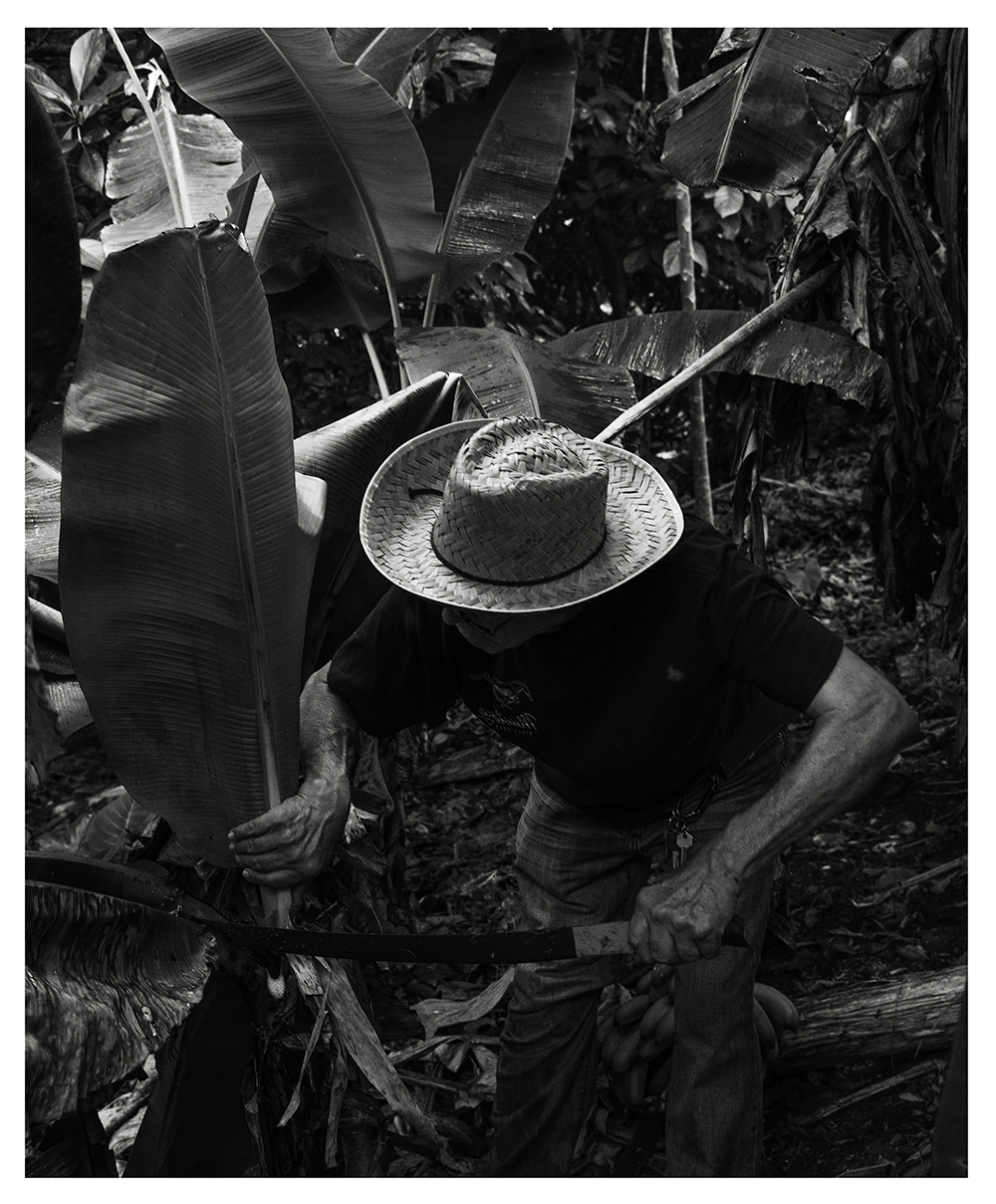
Juan Hernandez-Guerrero
Much of Hernandez-Guerrero's portfolio is photos he made in his native Puerto Rico.
Hernandez-Guerrero started at HACC, Central Pennsylvania’s Community College in Harrisburg, Pa., before transferring to RIT.
“RIT is a place that will give you everything you push for,” he said. “If you put in the effort, you’re going to see fruits from this place.”
Hernandez-Guerrero’s scholarly journey began in his third year, when he was accepted into the McNair Scholars program. It provides research opportunities to undergraduate students in preparation for graduate education, with an emphasis on doctoral studies.
Under the mentorship of Carole Woodlock, professor in the School of Photographic Arts and Sciences, he investigated how photography could aid veterans the same way it carved his path forward.
“It takes a long time to give the help they need, and I saw an opportunity to provide a way to decompress a lot of what happens during service,” Hernandez-Guerrero said.
Using his own story as a foundation, Hernandez-Guerrero established and led a photographic workshop last fall, allowing veterans to create images and discuss their creative decisions and the meaning of the photos.
Provided
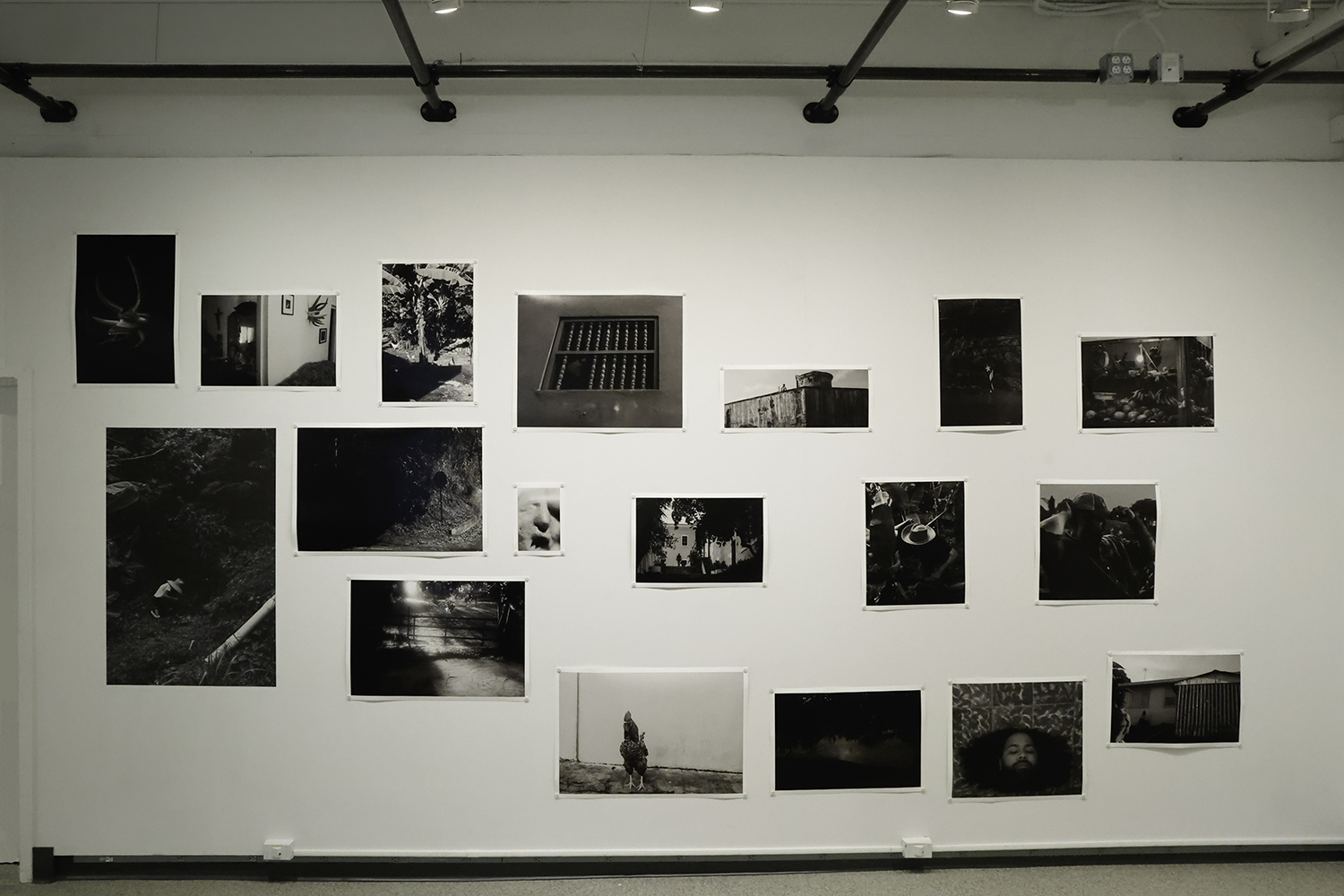
A selection of Hernandez-Guerrero's capstone work, on view in a group exhibition in William Harris Gallery earlier this semester.
Just as the McNair Scholars Program is designed, Hernandez-Guerrero said he plans to pursue a Ph.D. following his graduate studies, with an eye toward writing, image-making, and teaching.
“My path has been holistic,” he said. “I had a lot of rigidity and discipline given to me through the military, and now I’m exploring my creative and expressive side. I’m thankful to have had the opportunity to find wholeness through these two sides working together.”
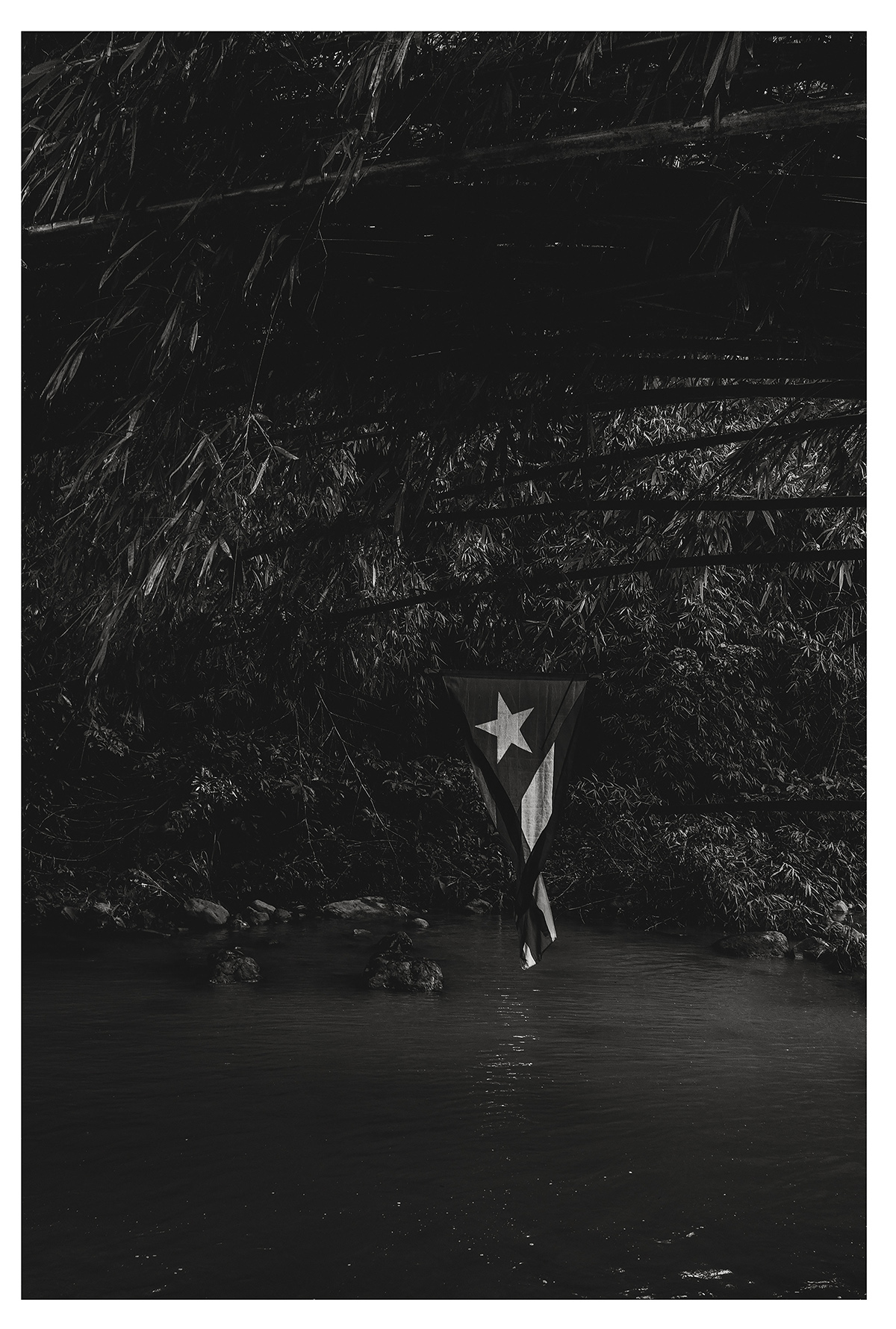
For his fine art photography capstone project, Hernandez-Guerrero focused on visual depictions of double consciousness, which he understands as the fragmentation of identity under the pressures of institutional and societal pressures.
Juan Hernandez-Guerrero
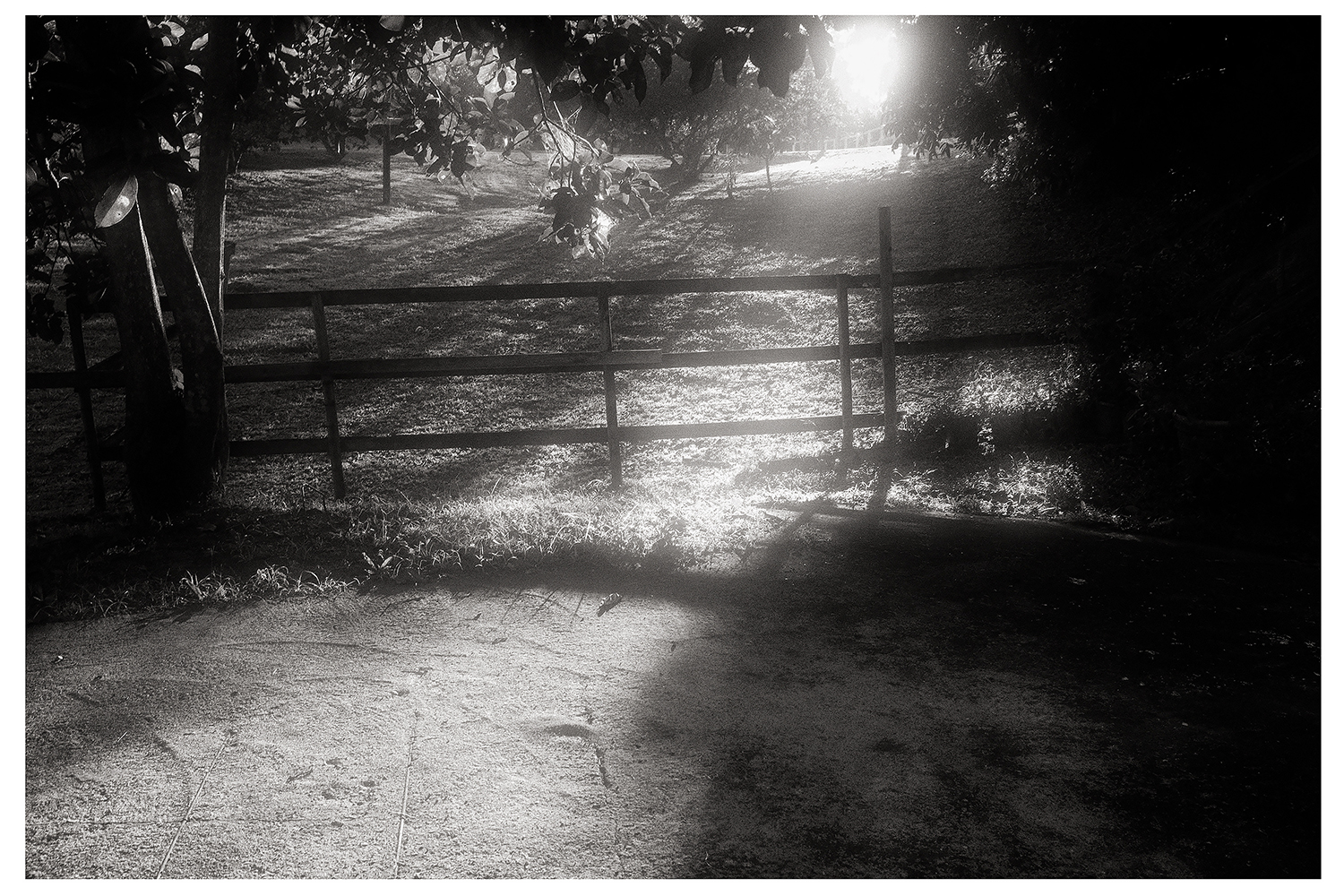
One of the images from Hernandez-Guerrero's capstone body of work.
“I’m using photography as a way to speak to my experience as a Hispanic person and what’s going on around these different topics within the island in Puerto Rico,” Hernandez-Guerrero said. “I’ve gotten to a point where I want to tackle photography from a conceptual side now that I feel comfortable with the technical side. I want to continue developing my artistic practice with academia.”
His body of work includes largely black-and-white self-portraits and landscapes of his hometown in Puerto Rico.
“I’m using shadows, lines, and ways to depict what is actually there in the image, but then having this other side of it that is obscured, or not present within it,” Hernandez-Guerrero said. “I’m using it as a way of presenting the second identity that is formed. I’m using landscapes I’m familiar with to create a depiction of this negotiation that happens within one’s body and mental space.”