Cultural Psychology course brings classroom learning to life in Japan
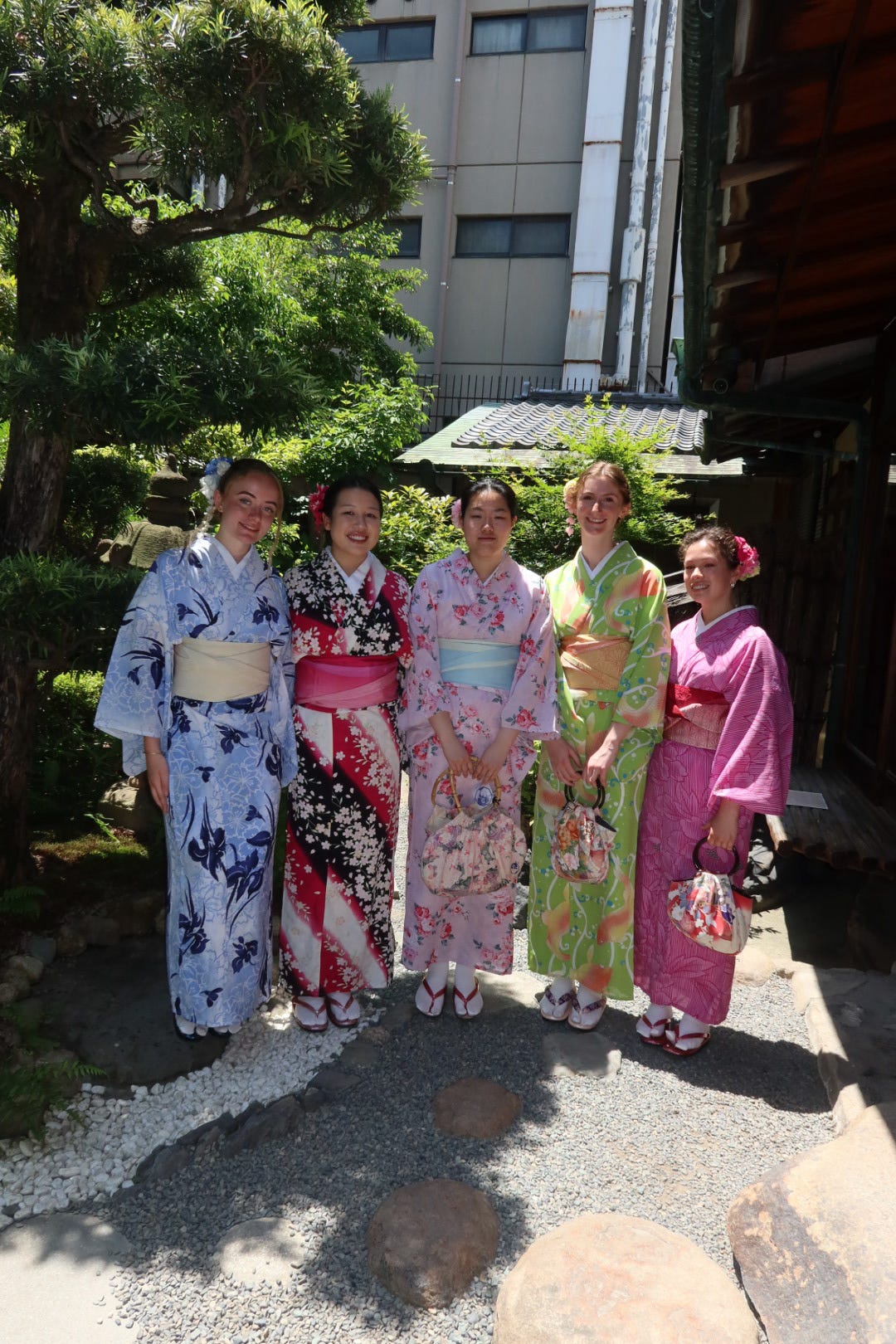
For Hannah Baumgartner, one of the students in RIT’s Cultural Psychology course, one of the most meaningful moments from Japan came during a traditional tea ceremony in Kyoto.
Students selected their own kimonos, learned about the history and cultural significance of the ceremony, and were guided through each step by two women who explained the meaning behind the ritual.
“Rather than simply following the steps, two women explained the purpose and significance,” Hannah wrote in a reflection after the trip. “One key aspect that I appreciated was the emphasis on silence, which encourages participants to be more aware of their surroundings and fully present in the moment.”
That lesson stayed with her after returning home.
“Slowing down and being more present is something I need to make a conscious effort to practice,” she wrote, “and the tea ceremony reminded me of the importance of doing so.”
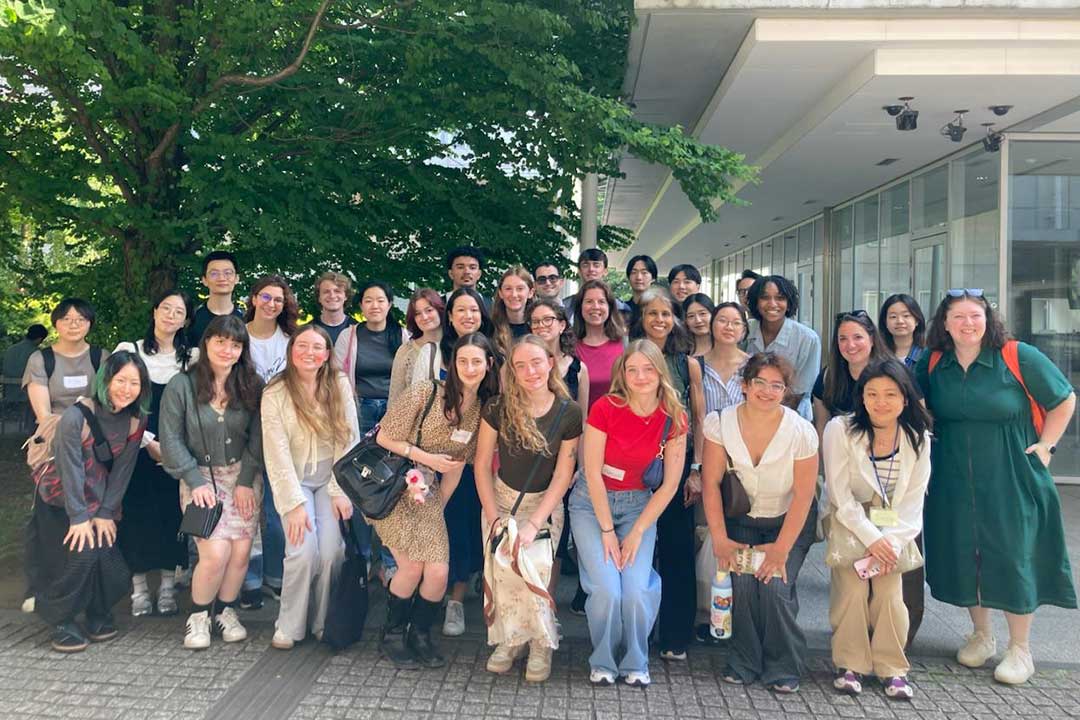
Led by A. Eleanor Chand-Matzke, Ph.D., and Tina Sutton, Ph.D., the 2026 spring semester course introduced students to cultural psychology through classroom instruction, research, reflection, and a travel-abroad experience in Japan following the end of the semester. This course was one of an expanded set of faculty-led short term study abroad offerings presented by the college last year. More here
“This course lends itself to travel and study abroad,” said Chand-Matzke. “Being anchored in culture, learning about other cultures, and gaining cultural competence and awareness, it made perfect sense to build a travel component.”
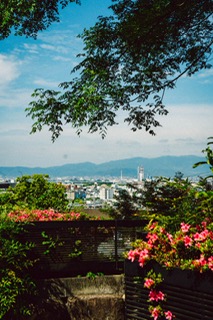
While in Japan, students visited Ueno Park, Toshogu Shrine, Tokyo National Museum, Tsukiji Fish Market, the University of Tokyo, Kyoto temples along the Philosopher’s Path, Fushimi Inari Shrine, and Todaiji Temple in Nara. The itinerary also included a group meal designed to help students reflect on their experiences together.
Before traveling, students prepared through readings, lectures, cultural immersion projects, and group presentations focused on specific aspects of Japanese culture. Some researched shrines and temples they would later visit, examining architecture, religious and cultural meaning, and the relationship between sacred sites and their surrounding environments.
Sutton said that preparation helped students engage with the trip more thoughtfully once they arrived.
“We asked them to think about how those presentations really enhanced their experience,” Sutton said. “A lot of them made these really strong connections back to what they learned from their peers in the classroom.”
One academic highlight was a visit to the University of Tokyo’s Komaba Campus, where students met with a collaborator whose research focuses on Japanese language, phonology, and meaning. Students had read several of the researcher’s papers before the trip and were able to discuss the work directly with the author and collaborators.
RIT students also interacted with University of Tokyo students, toured campus, visited a nearby park, and talked about similarities and differences in student life across cultures.
“Our students were able to interact with students from the University of Tokyo,” Sutton said. “A lot of students really did comment on how much they liked meeting with those students and engaging with students at that university.”
Beyond academic learning, the trip created moments of personal growth. Chand-Matzke said she saw students embrace unfamiliar experiences, navigate challenges, and gain confidence by adapting in a new cultural environment.
“They really embraced learning about the culture, trying new things, noticing differences, but then also a lot of similarities,” Chand-Matzke said. “That’s the essence of cultural psychology. We are universally similar, but culture highlights some of those differences as well.”
The trip also strengthened the sense of community among students. Chand-Matzke said traveling together changed the dynamic between students and faculty, allowing relationships to develop in ways that are difficult to replicate in a traditional classroom.
“You get to know students at a different level when you travel like this,” Chand-Matzke said. “They became good friends, or better friends, and I thought that was pretty amazing.”
The course is currently expected to run again in 2028, with Japan remaining the destination for at least the next offering. Sutton and Chand-Matzke said they are already thinking about how to build on the first travel experience, including creating more opportunities for students to interact with local people.
For Baumgartner, the experience left a lasting impression.
“This trip was a once in a lifetime opportunity,” she wrote, “and I am incredibly grateful for the memories I made with such wonderful people.”