Computing and Information Sciences News
-
March 24, 2026

Grad finds purpose mentoring entrepreneurs
Aaron Foss has spent the last decade volunteering and supporting Defy Ventures, a national nonprofit grounded in criminal justice reform through entrepreneurship.
-
March 23, 2026
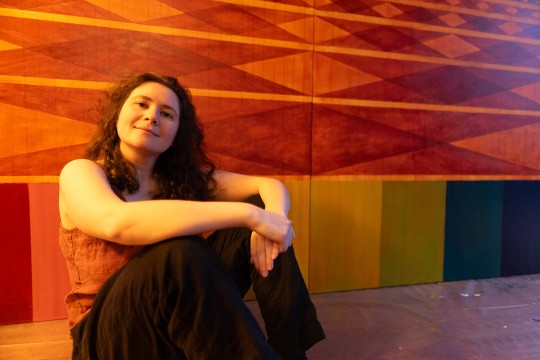
Art and science collide in alumna’s artwork
Juliet Fiss, an RIT imaging science alumna, uses algorithms and formulas to create artwork, including a piece at RIT’s Carlson Center.
-
March 18, 2026
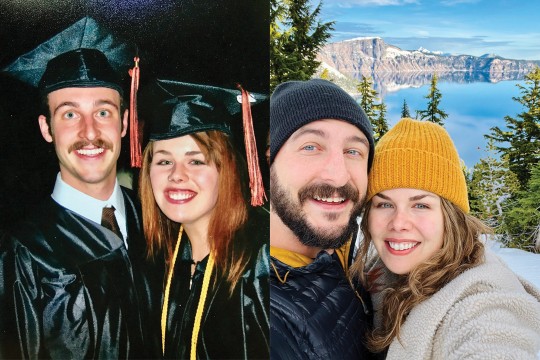
Romance sparked by the sounds of nature
During their third year at RIT, the pair unexpectedly enrolled in the same partner-based sound recording classand worked together on a quarter-long project. The assignment provided a golden opportunity to learn more about each other while exploring the Rochester region.
-
March 18, 2026

Behind the scenes with tech expert Katie Linendoll
Tech expert and media star Katie Linendoll, an RIT information technology alumna, started her own media production and consulting company.
-
March 17, 2026
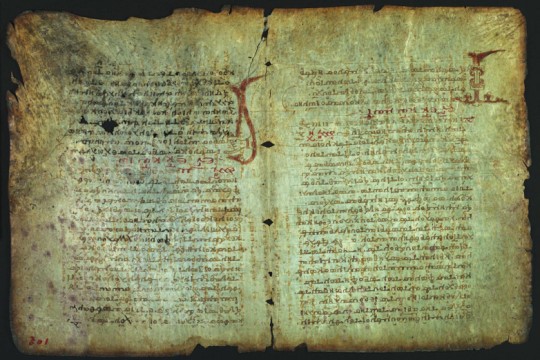
Erased, Burned, or Hidden from Sight, Unreadable Texts Are Being Decoded
Fine Books Magazine speaks to Roger Easton Jr., professor of imaging science, about using advanced imaging technologies to help reveal hidden texts such as the Archimedes Palimpsest, contributing to the preservation and interpretation of historical manuscripts.
-
March 17, 2026
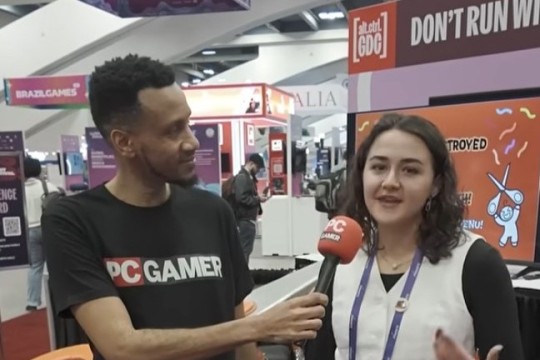
Not running with scissors at GDC
At the GDC (Game Developers Conference) Festival of Gaming in San Franciso, PC Gamer interviewed RIT students who created the alternative controller interactive experience Don’t Run With Scissors.
-
March 17, 2026
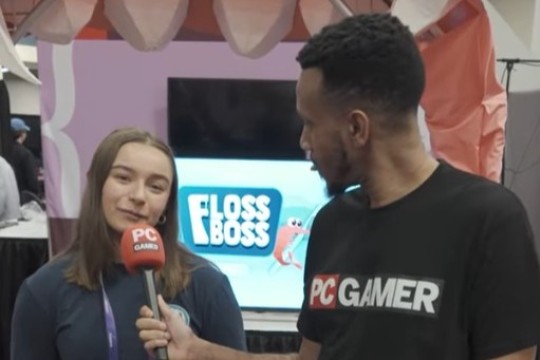
Get a flossing workout at alt.ctrl.GDC!
At the GDC (Game Developers Conference) Festival of Gaming in San Franciso, PC Gamer interviewed RIT students who created a giant toothbrushing interactive experience called Floss Boss.
-
March 16, 2026

Gap Year graduate finds gaming success
Independent game developer Rami Ismail hired former Gap Year fellow Sam Magnolia and their cofounders at Aesthetician Labs — Noah Magnolia and Aidan Markham — to lead the development and production team for Australia Did It.
-
March 16, 2026
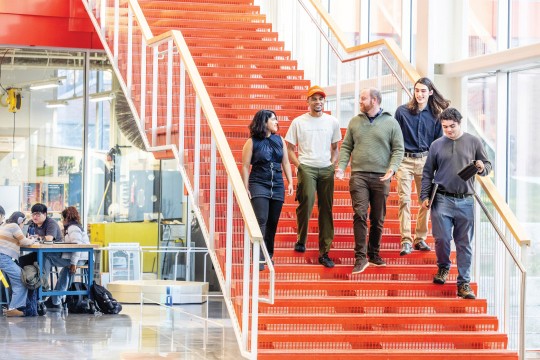
Got big ideas? Gap Year fellows do
Hridiza Roy followed a summer internship at Disney Studios, with a fall position in the Gap Year Entrepreneurial Fellowship. The RIT program gave her a block of time and a stipend to advance her passion project—Painterly, an animation software tool.
-
March 16, 2026
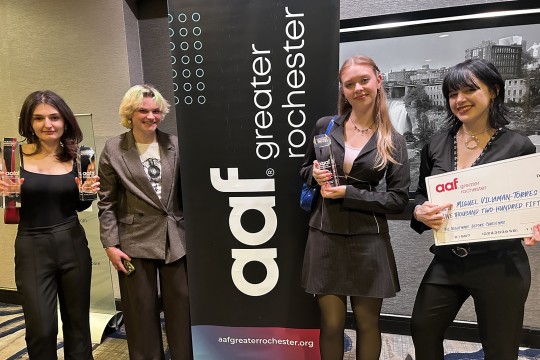
RIT design students shine at Rochester advertising awards
Six students from RIT's graphic design and new media design programs were recognized at the local American Advertising Awards, an event that recognizes excellence in advertising campaigns and the highest creative standards in the industry.
-
March 13, 2026
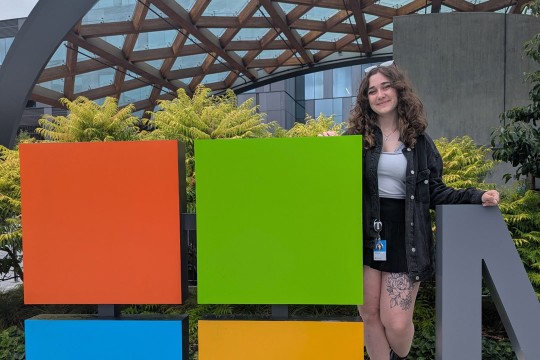
Co-op seminar class and a strategic approach help students land co-ops
Computer science major Emma Schmitt took a required co-op seminar class to help prepare for the internship search and what do to on the job, helping her land co-ops at Honeywell/LenelS2 and Microsoft.
-
March 12, 2026
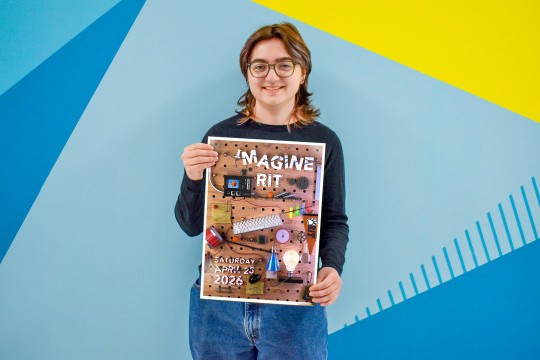
Student inspired by Imagine RIT designs festival poster
Amelia Hunkele, now in her second year as a new media design major, is this year’s winning artist for the Imagine RIT poster, which depicts a Rube Goldberg machine.