Anatomy and Physiology Lab
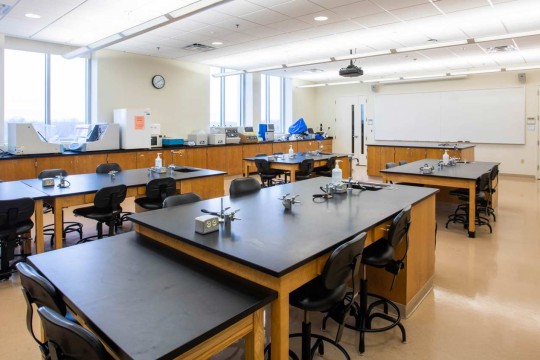
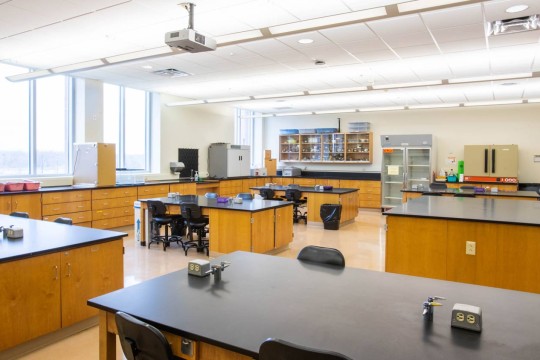
Build a deep understanding of how the human body works in RIT’s Anatomy and Physiology Lab, where hands-on learning meets real-world application. In this dynamic space, you’ll explore the structure and function of major organ systems, work with advanced lab equipment to collect and analyze physiological data, and engage in activities that mirror clinical and research settings. From microscopic analysis to full-system investigations, the lab experience helps you connect theory to practice and prepares you for success in health science careers and graduate study.
What is Anatomy and Physiology?
The Anatomy and Physiology Lab gives you the chance to study the human body the way health professionals understand it. You will study the anatomy and physiology of the human body; the structures and functions of the human body's major organ systems, including the digestive, respiratory, cardiovascular, and nervous systems; and gain hands-on experience collecting and analyzing real physiological data. Located on the third floor of the Center for Bioscience Education and Technology, this is where you build the scientific foundation that supports everything from classwork to clinical rotations to graduate study.
What Modern Lab Equipment Does RIT Make Available for Student Use?
The Anatomy and Physiology Lab is equipped with:
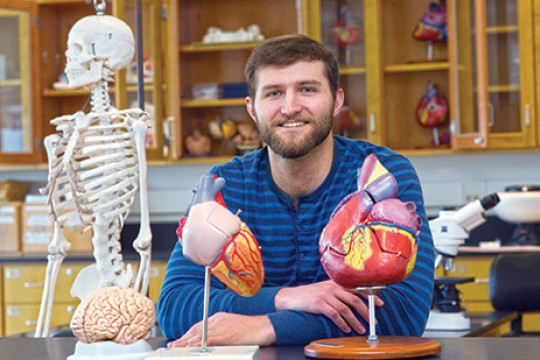
- Detailed anatomical models used to study each organ system
- Laboratory microscopes and imaging tools for exploring cells and tissues
- Physiology instruments that measure muscle and nerve activity (EMG), heart function (ECG), brain wave patterns (EEG), and respiratory volumes
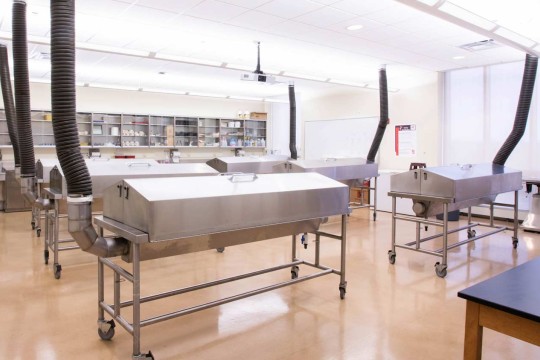
- Animal specimens used in guided dissection labs
- Workspaces designed for teamwork, lab activities, and guided investigation
What Do You Do In An Anatomy Lab?
At RIT, students learn by doing, and our labs provide the perfect environment for exploration, investigation, and inquiry. In the Anatomy and Physiology Lab you will:
- Dissect animal specimens and study anatomical structures in detail
- Identify organs and tissues and see how they connect across body systems
- Collect and analyze physiological data using clinical grade instruments
- Examine cells and tissues under a microscope
- Work through case studies that help you think like a future health care or research professional
Majors Using This Lab
The Anatomy and Physiology Lab is designed to spark curiosity, build confidence, and prepare you for whichever health science path you choose to pursue. The lab supports students across the health science disciplines:
Location
Center for Bioscience Education and Technology, room 3170