Experimental Psychology Master of Science Degree

Overview for Experimental Psychology MS
Why Study Experimental Psychology at RIT?
STEM-OPT Visa Eligible: The STEM Optional Practical Training (OPT) program allows full-time, on-campus international students on an F-1 student visa to stay and work in the U.S. for up to three years after graduation.
Customize Your Program: Choose between two dynamic tracks: experimental psychology or engineering psychology.
Flexible Options to Complete Your Degree: Choose between a thesis or capstone project to earn your master's in experimental psychology.
Preparation for Advanced Study: Receive a strong foundation in human factors and/or experimental psychology to prepare you for further studies if desired.
The experimental psychology master's degree is a broad and flexible program that provides a solid stepping-stone into careers in experimental psychology or further study in psychology. A choice of tracks–in experimental psychology or engineering psychology–allows you to customize the program around your career goals and aspirations.
What is Experimental Psychology?
In experimental psychology, you are trained to apply scientific methods to basic psychological processes in perception, brain and behavior relationships, thinking, memory, learning, social interactions, human development, and related areas. RIT's master's in experimental psychology builds on the strengths of faculty research and student interests in experimental psychology broadly defined. The experimental psychology graduate program, as a whole, provides a foundation for further advanced academic study in human factors and/or experimental psychology.
Master's in Experimental Psychology Courses
The experimental psychology degree includes core courses, elective courses, and a thesis. It also offers two tracks to choose from: experimental psychology and engineering psychology.
The experimental psychology track embraces the application of the scientific method to the study of behavior. Faculty are experts in a variety of fields including addiction, attention, cognition, development, evolutionary psychology, forensic psychology, perception, psychopathology, and social psychology, among others.
The engineering psychology track examines human capabilities to sense, perceive, store, and process information and how these human factors impact interactions with technology. This knowledge is applied to the design, use, and maintenance of human-machine systems. Courses emphasize the role of human behavior and performance in both simple and complex human-machine systems. You are trained in both research methods of experimental psychology and the application of the results to contemporary problems in industry. This track prepares you to function as an effective engineering psychologist in industrial, governmental, or consulting organizations.
Electives: If you choose the engineering psychology track, you must select two electives. Any graduate course at RIT can be taken as an elective, assuming prerequisites are met.
Capstone or Thesis: As part of the master's in experimental psychology, you will choose either a capstone project or a thesis. Students who select the capstone project will embark on a range of projects to demonstrate their ability to apply this knowledge in various assignments. A variety of written projects (white paper, focused literature review, and a resume) and an oral presentation are required for you to show proficiency in your area of expertise.
Students who select to complete a thesis will select a thesis adviser in the first year, followed in the second year by a thesis topic and research proposal. You will conduct your thesis, including the collection and analysis of data, in the second year. Ongoing research activity is expected through the summer term of the program. At the completion of the thesis, you will publicly present your findings and defend your research before a thesis committee.
-
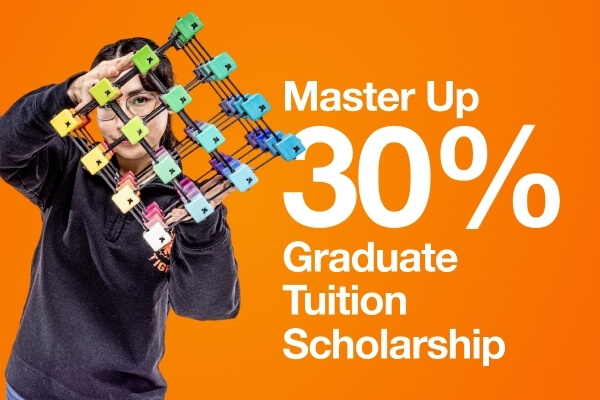
Affordable Now. Valuable for Life.
Earn your master’s degree without the full price tag. With Master Up you can receive a 30% tuition scholarship for an RIT master’s degree.
-
Discover how graduate study at RIT can help further your career objectives.
Virtual Admissions Webinars | Recordings available
Virtual Academic Sessions | October 20 - October 29
On-Campus Open House | November 20
Careers and Experiential Learning
Typical Job Titles
| Research Associate | User Experience Researcher | Data Analyst |
| Human Factors Researcher | Lab Director Specialist |
Cooperative Education and Internships
What makes an RIT education exceptional? It’s the ability to complete relevant, hands-on career experience. At the graduate level, and paired with an advanced degree, cooperative education and internships give you the unparalleled credentials that truly set you apart. Learn more about graduate co-op and how it provides you with the career experience employers look for in their next top hires.
Co-ops take your knowledge and turn it into know-how. A liberal arts co-op provides hands-on experience that enables you to apply your knowledge in professional settings while you make valuable connections between course work and real-world applications.
The experimental psychology master's degree includes an optional cooperative education component. Co-op is generally completed in the summer after the first year of the program. The co-op experience provides experiential learning that integrates with classroom education and allows students to apply psychological principles to problems in a variety of work environments. Co-op may be completed in any business or industrial setting.
Featured Work and Profiles
-
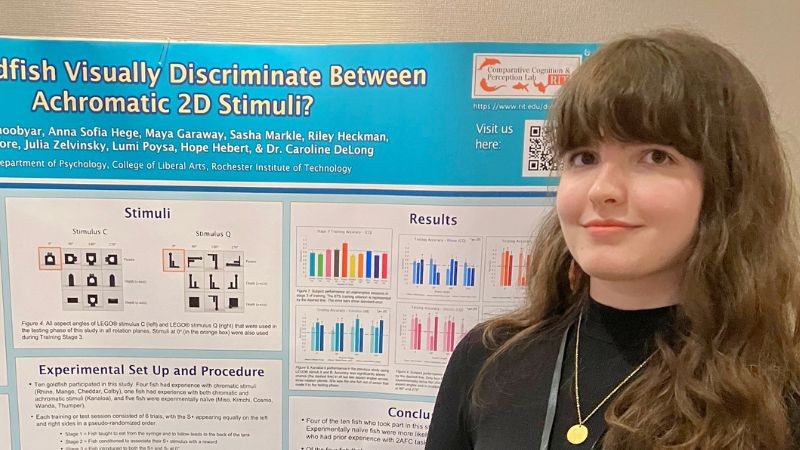
One Lab Tour, A New Direction: Rose Khoobyar’s Shift to Experimental Psychology
Rose Khoobyar arrived at RIT planning for a career in law—but Psychology Lab Tour Day during her first year changed everything. A visit to the Comparative Cognition and Perception Lab sparked a new...
Read More about One Lab Tour, A New Direction: Rose Khoobyar’s Shift to Experimental Psychology -
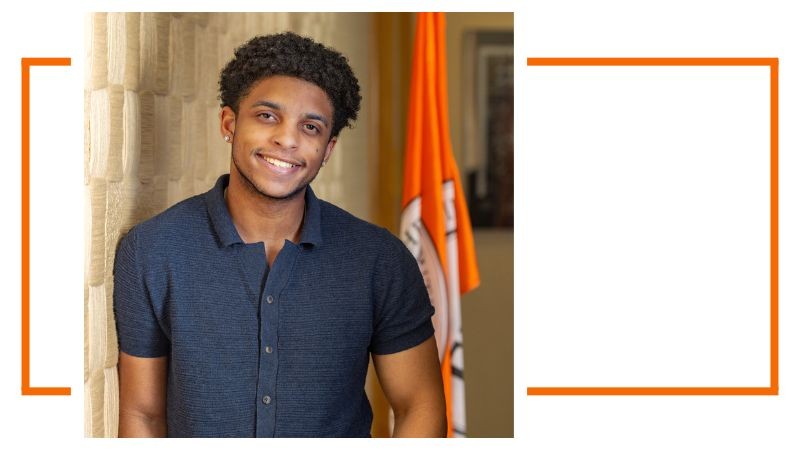
From Psychology to the Law: Romiere Horace Forged a Path to Forensic Psychology
When talent, drive, and passion meet opportunity and support, the possibilities are limitless. Romiere Horace—the RIT College of Liberal Arts 2026 Graduate Program Commencement Delegate and soon-to-be...
Read More about From Psychology to the Law: Romiere Horace Forged a Path to Forensic Psychology -
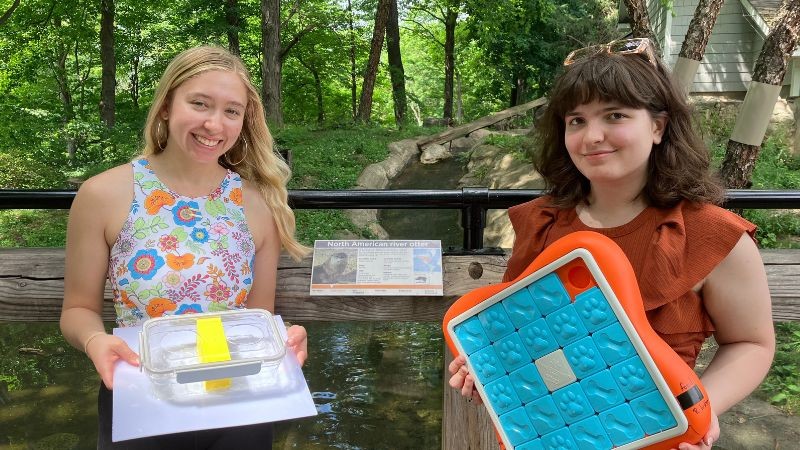
Experimental Psychology Alum Focuses on Animal Cognition
Felicia Swartzenberg ’25 Anna Sofia Hege ’25 MS (experimental psychology) gained experience working on animal cognition research at RIT. Now that she’s graduated, she’s continuing to study animals...
Read More about Experimental Psychology Alum Focuses on Animal Cognition -
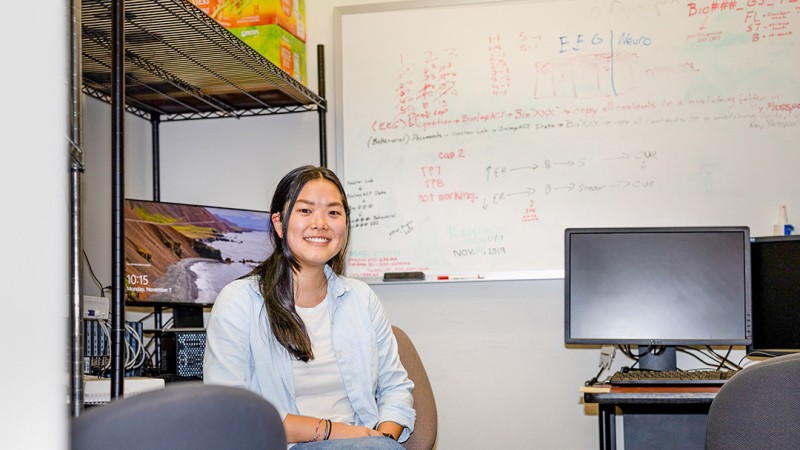
Bo Allaby’s work on the resilience of the brain will lead her Ph.D. work this fall
Rebecca Houston ’25 “Why does one person with a brain injury recover faster than another? Or why does someone in their 90s still live independently while another faces early cognitive decline? I want to understand what...
Read More about Bo Allaby’s work on the resilience of the brain will lead her Ph.D. work this fall -
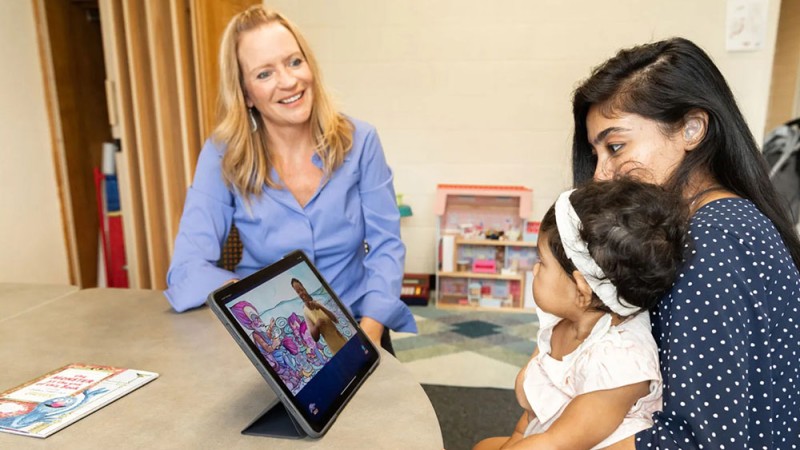
Exploring the Language Journey of Deaf Children
Professor Rain Bosworth investigates how people learn and process sign language through studies on deaf and hearing people’s use of vision and touch. Her work suggests that babies have an innate...
Read More about Exploring the Language Journey of Deaf Children -

Psychology Professor named a Distinguished Member
John Edlund Psi Chi, the International Honor Society in Psychology, recently named psychology professor John E. Edlund, Ph.D., a Distinguished Member, the highest honor the organization bestows.
Read More about Psychology Professor named a Distinguished Member
Curriculum for 2026-2027 for Experimental Psychology MS
Current Students: See Curriculum Requirements
Students are also interested in
Admissions and Financial Aid
This program is available on-campus only.
| Offered | Admit Term(s) | Application Deadline | STEM-OPT Visa Eligible |
|---|---|---|---|
| Full‑time | Fall or Spring | Fall - February 15 priority deadline, rolling thereafter; Spring - rolling | Yes |
| Part‑time | Fall or Spring | Rolling | No |
Full-time study is 9+ semester credit hours. Part-time study is 1‑8 semester credit hours. International students requiring a visa to study at the RIT Rochester campus must study full‑time.
Application Details
To be considered for admission to the Experimental Psychology MS program, candidates must fulfill the following requirements:
- Complete an online graduate application.
- Submit copies of official transcript(s) (in English) of all previously completed undergraduate and graduate course work, including any transfer credit earned.
- Hold a baccalaureate degree (or US equivalent) from an accredited university or college. A minimum cumulative GPA of 3.0 (or equivalent) is recommended.
- Satisfy prerequisite requirements and/or complete bridge courses prior to starting program coursework.
- Submit a current resume or curriculum vitae.
- Submit a personal statement of educational objectives.
- Submit two letters of recommendation.
- Entrance exam requirements: None
- Submit English language test scores (TOEFL, IELTS, PTE Academic, etc.), if required. Details are below.
English Language Test Scores
International applicants whose native language is not English must submit one of the following official English language test scores. Some international applicants may be considered for an English test requirement waiver.
Duolingo (DET): 120
IELTS: 6.5
LanguageCert Academic: 70
PTE Academic: 56
TOEFL: 79/4.5
International students below the minimum requirement may be considered for conditional admission. Deaf and hard-of-hearing test takers with significant hearing loss do not need to take the listening and speaking sections for the TOEFL and IELTS. Each program requires balanced sub-scores when determining an applicant’s need for additional English language courses.
How to Apply Start or Manage Your Application
Cost and Financial Aid
An RIT graduate degree is an investment with lifelong returns. Graduate tuition varies by degree, the number of credits taken per semester, and delivery method. View the general cost of attendance or estimate the cost of your graduate degree.
A combination of sources can help fund your graduate degree. Learn how to fund your degree
Additional Information
Prerequisites
Applicants should have completed at least 15 semester hours of coursework in undergraduate psychology or a related field (e.g., engineering, computer science, information technology), including one course in experimental psychology and one course in statistics.


Research
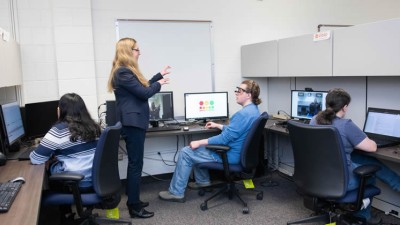
Faculty in the department of psychology focus their research on a wide variety of topics across the discipline. They work closely with students to pursue their research and advise on thesis work. Learn more by exploring our psychology research areas.

Related News
-
November 18, 2025

Psychology professor creates big team science network for otter research
Professor Caroline DeLong established the ManyOtters project in collaboration with several other universities to share research, knowledge, and to explore the cognitive abilities of otters. -
April 9, 2025

RIT student’s research prepares her for a career in neuropsychology
What began as an online study using surveys to assess cognitive reserve has since evolved into a full-scale, in-person research effort in RIT’s Neurobehavioral Lab.
-
January 9, 2023
Teaching STEM by playing with primates
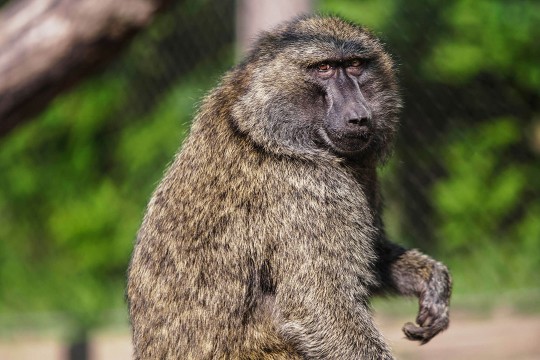
Caroline DeLong, professor and undergraduate program director of psychology, and a team of researchers at RIT and Carnegie Mellon University are exploring the idea of engaging children with STEM skills through the lens of interacting with animals. They are working with a group of olive baboons at Rochester’s Seneca Park Zoo.

