Multi-messenger Astronomy

Researching a new way of understanding the universe, resolving longstanding astronomical mysteries, and even questions about the human existence.
Research Centers
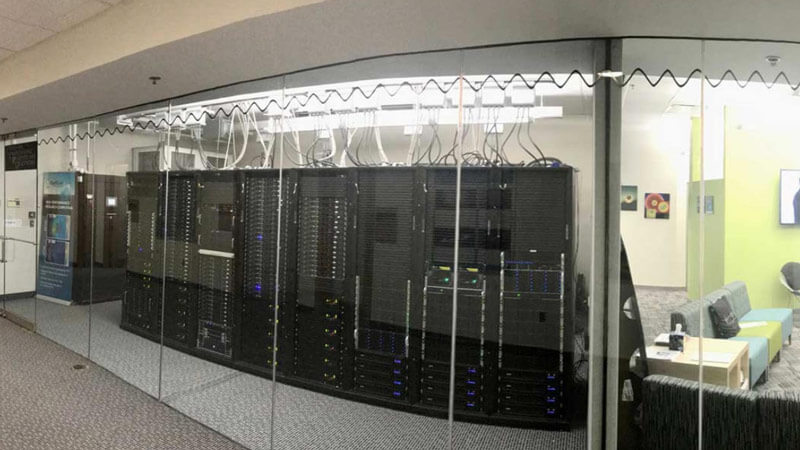
Center for Computational Relativity and Gravitation
Advances knowledge and discovery at the frontiers of relativistic astrophysics, gravitational physics, and cosmology, while pursuing new exciting research directions, in connection with new experiments and observations.
Learn more about the Center for Computational Relativity and Gravitation
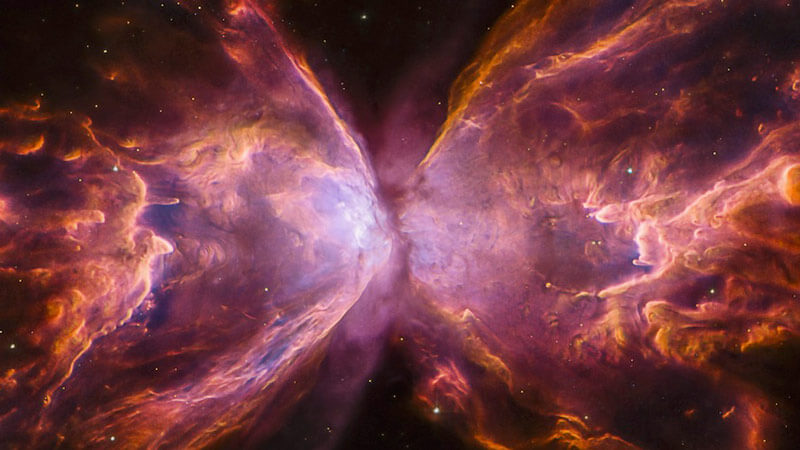
Laboratory for Multiwavelength Astrophysics
Fosters the utilization and advancement of cutting-edge techniques in multiwavelength astrophysics by RIT faculty, research staff, and students, so as to improve human understanding of the origin and fate of the universe and its constituents.
Learn more about the Laboratory for Multiwavelength Astrophysics
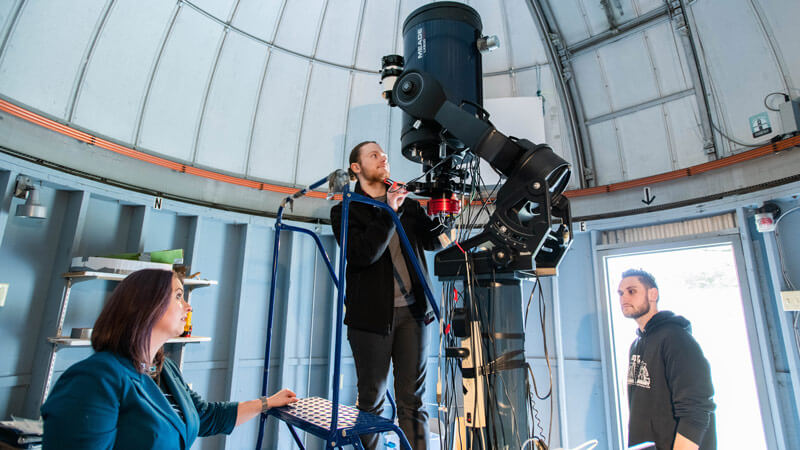
RIT Observatory
Established to promote the undergraduate teaching and research programs in astronomy. The Observatory, on the south-eastern corner of the RIT campus, features two computer-controlled telescopes and a host of portable ones.
Key Collaborations
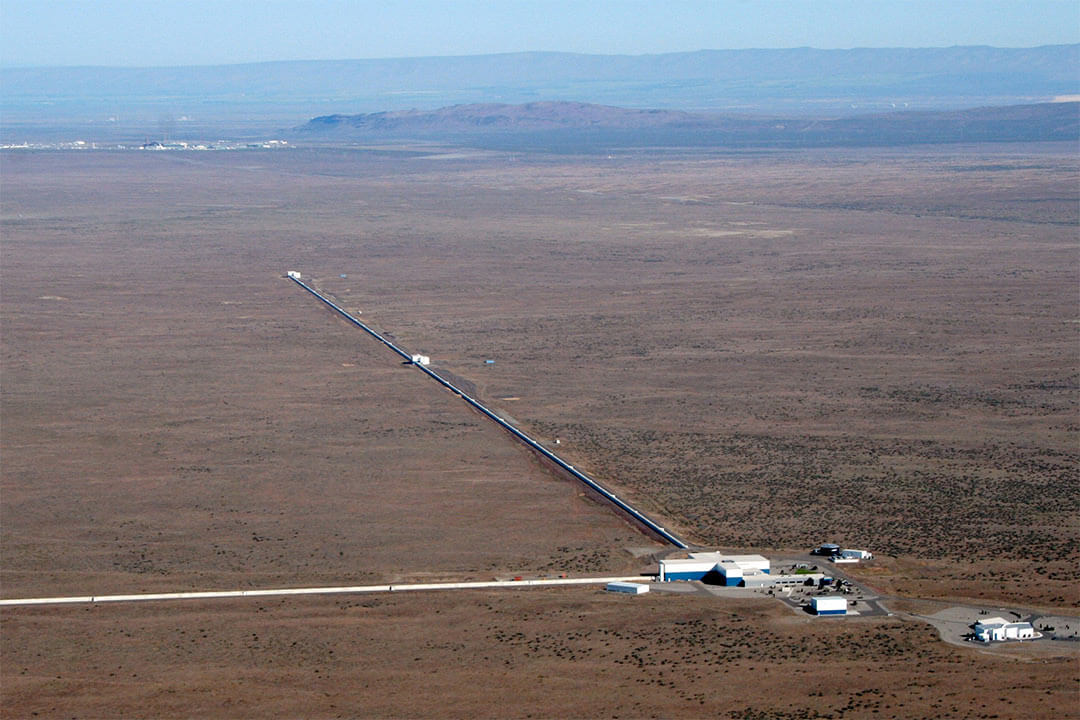
Laser Interferometer Gravitational-Wave Observatory (LIGO)
The National Science Foundation’s Laser Interferometer Gravitational-Wave Observatory (LIGO) is a Nobel Prize-winning project that hunts for gravitational waves. LIGO made history with the first direct detection of gravitational waves in 2015. RIT’s CCRG has a large and active group of about 18 faculty, students and postdoctoral researchers involved in the LIGO Scientific Collaboration.
North American Nanohertz Observatory for Gravitation Waves (NANOGrav)
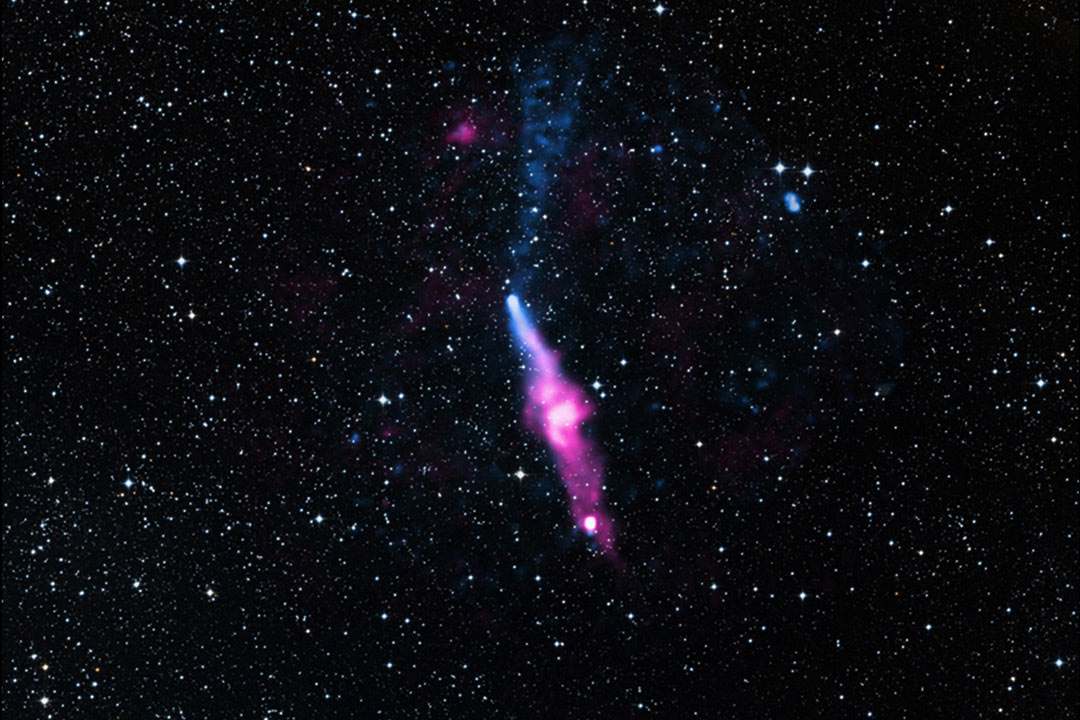
RIT’s CCRG and Insituto Argentino de Radioastronomía (IAR) began systematic pulsar timing studies in 2019. RIT and IAR’s observations will contribute to the larger efforts of the North American Nanohertz Observatory for Gravitation Waves (NANOGrav), a collaboration of scientists working to detect and study the impact of low frequency gravitational waves passing between the pulsars and the Earth. Using pulsar timing observations, the NANOGrav collaboration is striving to discover a supermassive black hole by 2022.
Large Synoptic Survey Telescope (LSST)
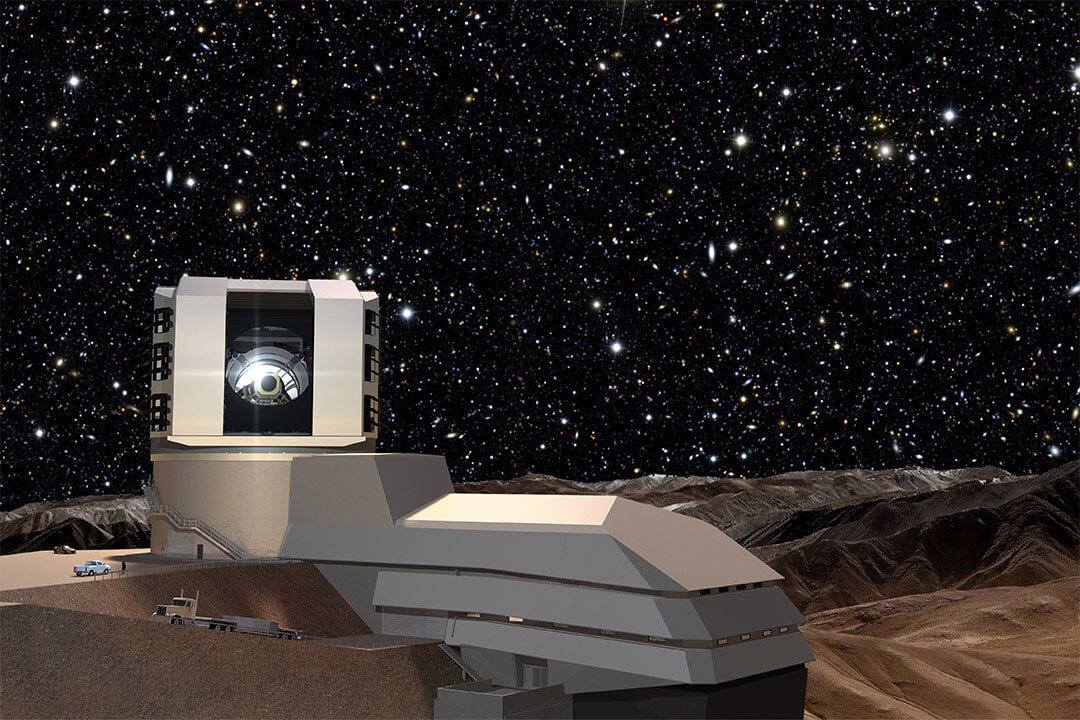
RIT is part of the LSST Corporation, a group of nearly 40 U.S. and Chilean institutional members focused on preparing the scientific community to use the Large Synoptic Survey Telescope (LSST), which will conduct the most ambitious all-sky survey of the universe to date. As a part of the LSST Corporation, RIT is among a science community that includes many of the world’s leading astrophysicists, cosmologists and particle physicists.


Related Degree Programs
- Applied and Computational Mathematics MS
- Applied Mathematics BS
- Applied Statistics MS
- Applied Statistics and Actuarial Science BS
- Astrophysical Sciences and Technology MS
- Astrophysical Sciences and Technology Ph.D.
- Computational Mathematics BS
- Electrical Engineering BS
- Electrical Engineering MS
- Microelectronic Engineering BS
- Microsystems Engineering Ph.D.
- Physics BS
- Physics MS
- Telecommunications Engineering Technology MS
Related News
-
November 8, 2019

New study suggests ‘Pac-Man-like’ mergers could explain massive, spinning black holes
Scientists have reported detecting gravitational waves from 10 black hole mergers to date, but they are still trying to explain the origins of those mergers. The largest merger detected so far seems to have defied previous models because it has a higher spin and mass than the range thought possible. A group of researchers, including RIT Assistant Professor Richard O’Shaughnessy, has created simulations that could explain how the merger happened.
-
May 15, 2019
RIT to gather computational astrophysics experts from across the globe
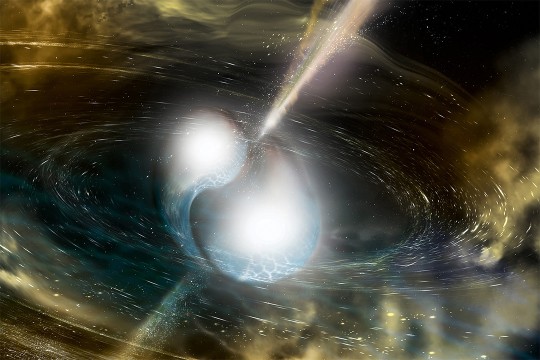
Scientists conducting cutting-edge research in computational astrophysics will converge at RIT for two workshops in June. Experts from RIT, NASA Goddard Space Flight Center, Berkeley and other prestigious institutions will speak at the events hosted by RIT’s Center for Computational Relativity and Gravitation.
-
March 26, 2019

RIT researchers set to help LIGO resume hunt for ripples in space and time
The Nobel Prize-winning project that hunts for gravitational waves— ripples in space and time—is about to begin the longest and most sensitive observational run to date. And several RIT researchers are preparing to pore over the new data to help uncover some of the universe’s biggest mysteries.