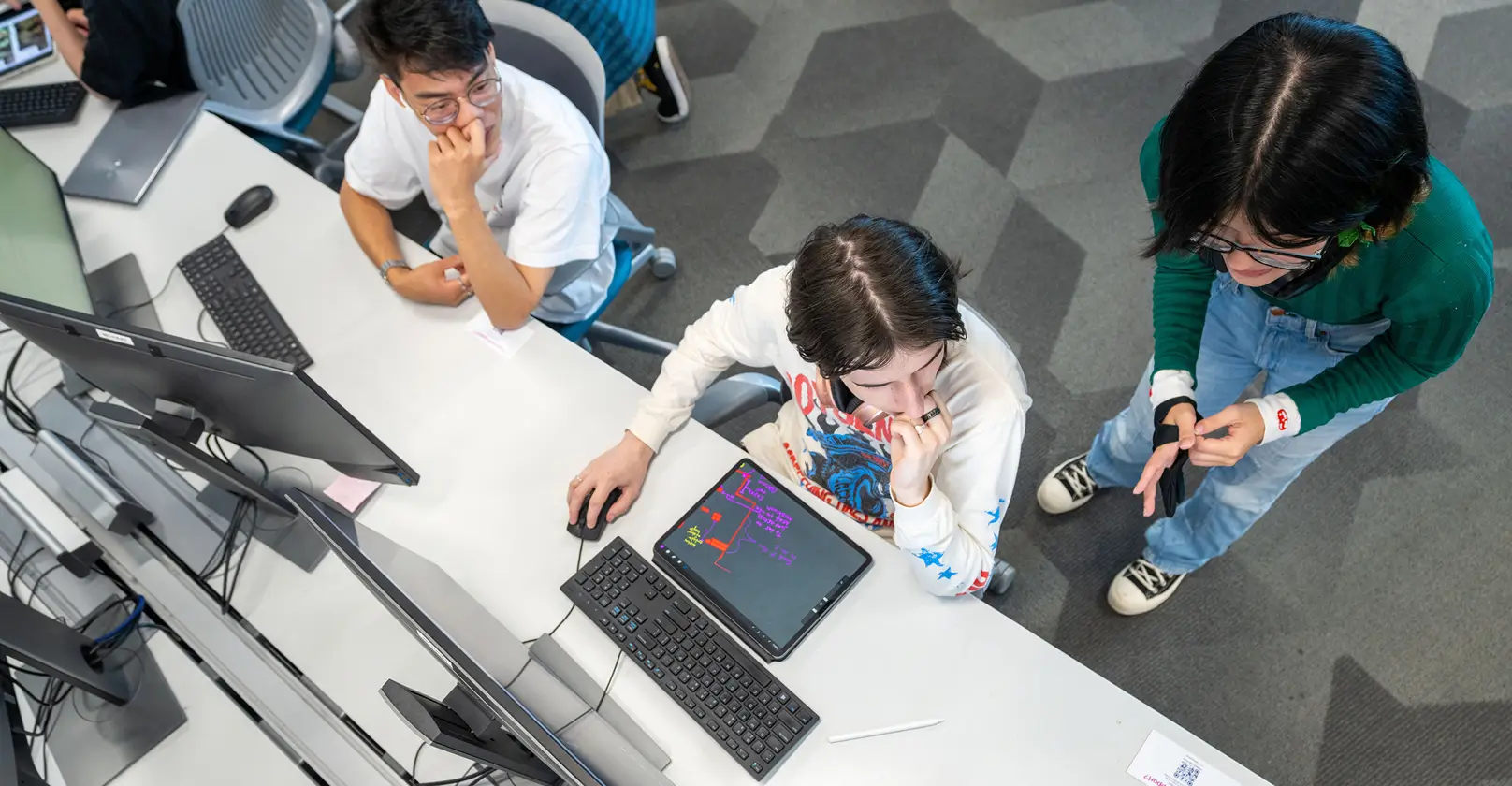
RIT’s interdisciplinary degree in humanities, computing, and design can prepare you for the new economy and careers that blend tech, creativity, and human-centered problem-solving.
From fast-growing upstarts to established global brands, the range of employers seeking the skills our grads bring to the job is impressive and promising.
Flexible and future-focused, the humanities, computing, and design major lets you select courses that support your professional goals and prepare for work in a diverse range of careers. The result is a unique and highly valuable strength in bridging the gap between tech and human behavior.
Customize Your Path
The humanities, computing, and design BS serves as a versatile core. By pairing the major with a strategic minor or immersion, you can tailor your expertise to a specific professional pathway.
Careers Combining Tech, Design, and the Contemporary Human Experience

With rapid technological shifts redefining how we interact with the world, demand is high for ‘translators’—professionals who can navigate the space between sophisticated tech and human intuition. Our graduates lead digital transformation by applying human-centered design to ensure technology serves people, not the other way around.
How Does RIT Give You an Advantage?
With access to courses and faculty across RIT’s specialized colleges, you can build depth in areas like digital media, computing, and cultural analysis—then apply that knowledge through hands-on projects and co-op experiences. This combination prepares you for careers in digital agencies, cultural institutions, education technology, and emerging media—fields that value creative problem solvers who can work across disciplines.
User Interface and User Experience (UI/UX) Careers

From invisible barriers to limitless experiences: Master the art of designing digital worlds that everyone can navigate and no one forgets.
How Does RIT Give You an Advantage?
Through a mix of course work in design, computing, and behavioral sciences—combined with hands-on studio work and co-op—you’ll develop the skills to research, prototype, and refine user-centered solutions. This preparation opens doors to careers in high-growth, high-paying industries such as software, fintech, healthcare technology, and consumer products.
Project Management Careers

Own the entire lifecycle of a project. Build the tactical edge needed to navigate chaos, crush deadlines, and lead with total confidence in fast-paced industries.
How Does RIT Give You an Advantage?
By taking courses across business, computing, and design, you gain real experience leading cross-functional teams. You’ll learn to bridge the gap between technical developers, creative designers, and business stakeholders.
Graduates are equipped for high-demand roles in technology consulting, health care, finance, and enterprise systems, where strong project leadership drives innovation and results.
Immersive Media Storytelling Careers
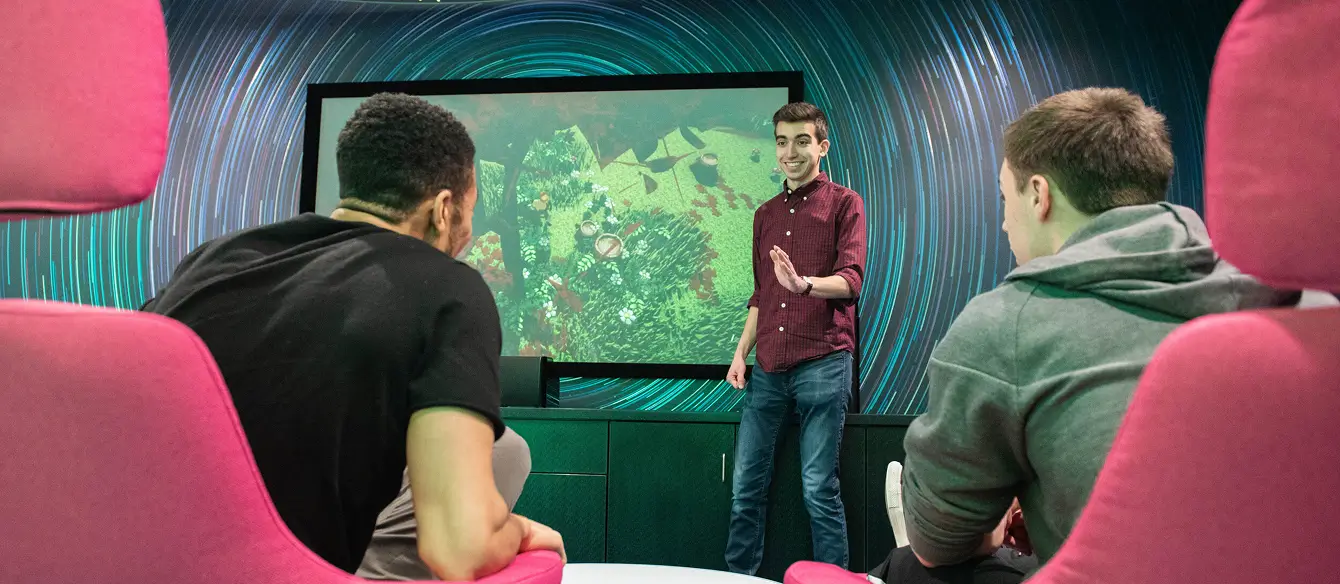
Don’t just tell stories—build them. Master the art of immersive world-building by leveraging the raw power of interactive and emerging tech to drop your audience directly into the heart of the narrative.
How Does RIT Give You an Advantage?
RIT’s unparalleled strengths in creativity and technology—especially in game design, film, animation, and computing—let you to build expertise across disciplines and apply it through experiential learning and co-op opportunities. When you graduate, you’ll be ready for careers in gaming, entertainment, virtual and augmented reality, simulation, and experiential marketing—including rapidly growing areas like training technologies and immersive media production.
Data and Back-End Development Careers
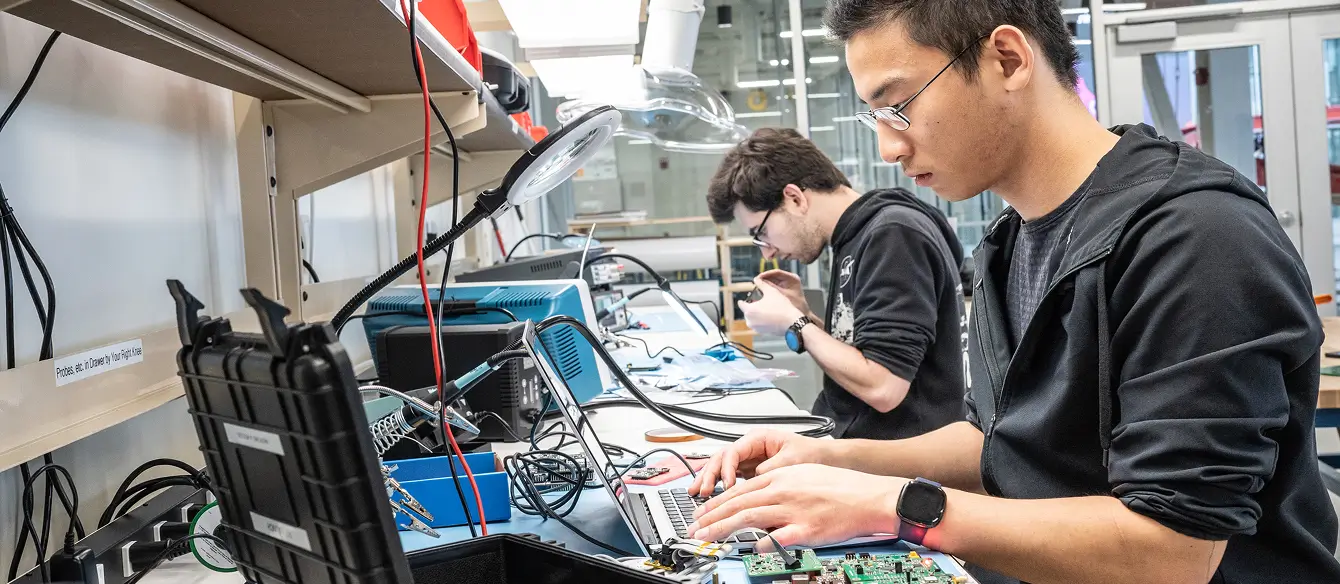
Lay the bedrock for the next digital revolution. From global networks to massive data streams, build the invisible giants that power our world. Beyond code, you will master data storytelling to make complex systems understandable and champion ethical AI practices to ensure data integrity and social responsibility.
How Does RIT Give You an Advantage?
With access to advanced computing, data science, and IT coursework—plus hands-on experience through co-op—you’ll develop the skills to design, build, and manage complex systems. Skilled graduates are highly sought after in top-paying industries such as cloud computing, cybersecurity, financial technology, and enterprise software, where technical expertise drives innovation and growth.
Median salary and job outlook data are based on the U.S. Bureau of Labor Statistics Occupational Outlook Handbook for occupations aligned with the career pathways shown here.