Imaging Science

Bringing together physics, math, computer science, and engineering to understand and develop cutting-edge imaging systems such as satellites and detectors that record, process, display, or analyze image data.
1
RIT is the only university in the nation to offer an undergraduate degree in imaging science
30+
Years that RIT has offered master’s and Ph.D. degrees in imaging science
40+
Faculty engaged in teaching and research
4
Specialized laboratories for detector research
Research Centers and Labs
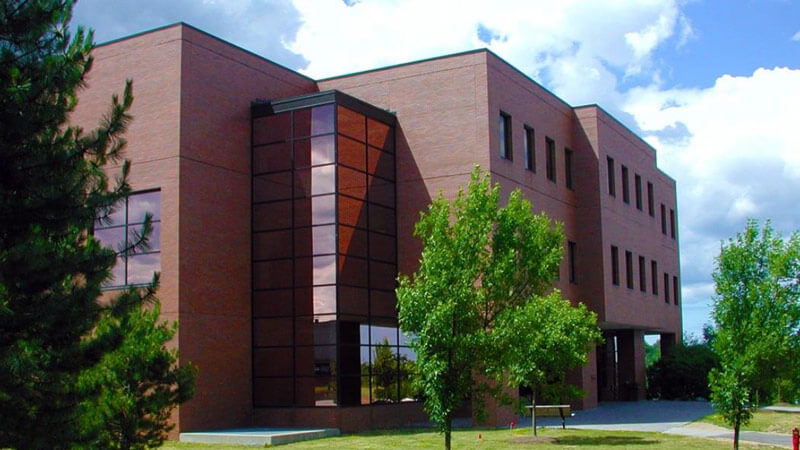
Chester F. Carlson Center for Imaging Science
Dedicated to pushing the frontiers of imaging in all its forms and uses. Through education leading to BS, MS, and Ph.D. degrees in imaging science, we produce the next generation of educators and researchers who develop and deploy imaging systems to answer fundamental scientific questions, monitor and protect our environment, help keep our nation secure, and aid medical researchers in their quest to conquer disease.
Learn more about the Chester F. Carlson Center for Imaging Science
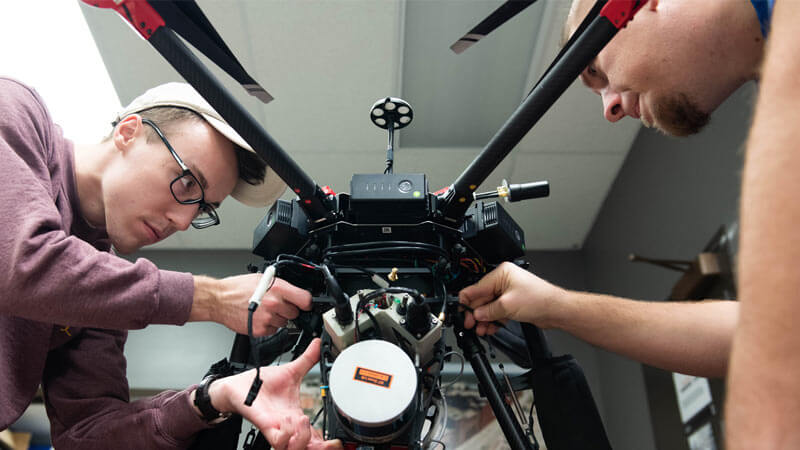
Digital Imaging and Remote Sensing Laboratory
The DIRS Laboratory focuses on the development of tools to extract information about the Earth from aerial and satellite imaging systems with an emphasis on the application of science and engineering to solving end-to-end remote sensing problems using a systems engineering approach.
Learn more about the Digital Imaging and Remote Sensing Laboratory
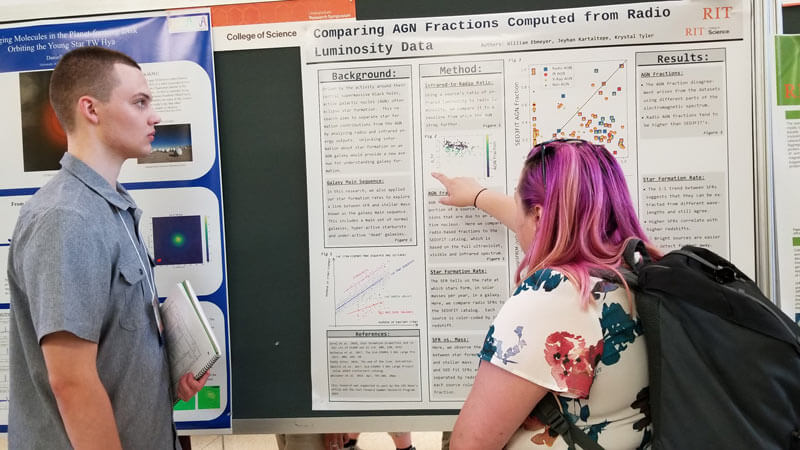
Laboratory for Multiwavelength Astrophysics
The mission of LAMA is to foster the utilization and advancement of cutting-edge techniques in multiwavelength astrophysics by RIT faculty, research staff, and students, so as to improve human understanding of the origin and fate of the universe and its constituents.
Learn more about the Laboratory for Multiwavelength Astrophysics


Related News
-
April 23, 2021

RIT researchers using drones and artificial intelligence to help assess crop growth
The National Science Foundation awarded Guoyu Lu, an assistant professor in RIT’s Chester F. Carlson Center for Imaging Science, more than $583,000 to spearhead the project.
-
April 14, 2021

Emmett Ientilucci’s knack for engaging students earns him award for excellence in teaching
Emmett Ientilucci's rapport with students is earning him recognition as the recipient of this year’s Richard and Virginia Eisenhart Provost’s Award for Excellence in Teaching, which recognizes tenure-track faculty who excel in teaching and leadership on campus.
-
March 24, 2021
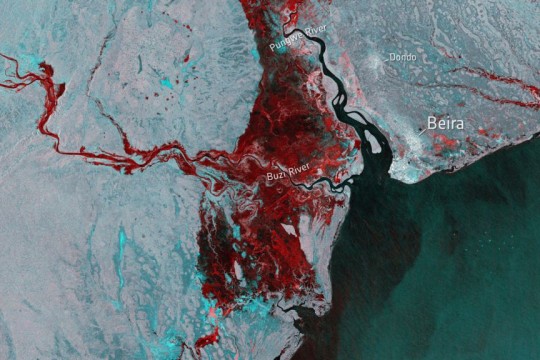
Integrating diverse satellite images sharpens our picture of activity on Earth
Essay by Amanda Ziemann ’10, ’11 MS (applied mathematics), a remote sensing scientist at Los Alamos National Laboratory, published by Space.com.
-
March 12, 2021

RIT researchers helping to develop artificial intelligence systems capable of playing 'Starcraft II'
A team of researchers that develops artificial intelligence systems is putting its work to a unique new test: creating machines capable of playing the popular video game Starcraft II. Researchers think it could be an important stepping stone to advancing practical solutions such as self-driving cars, service robots, and other real-world applications.