Imaging Science

Bringing together physics, math, computer science, and engineering to understand and develop cutting-edge imaging systems such as satellites and detectors that record, process, display, or analyze image data.
1
RIT is the only university in the nation to offer an undergraduate degree in imaging science
30+
Years that RIT has offered master’s and Ph.D. degrees in imaging science
40+
Faculty engaged in teaching and research
4
Specialized laboratories for detector research
Research Centers and Labs
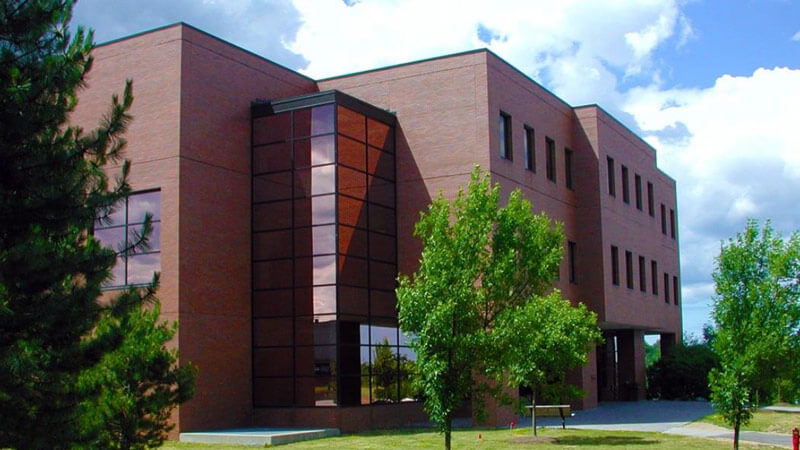
Chester F. Carlson Center for Imaging Science
Dedicated to pushing the frontiers of imaging in all its forms and uses. Through education leading to BS, MS, and Ph.D. degrees in imaging science, we produce the next generation of educators and researchers who develop and deploy imaging systems to answer fundamental scientific questions, monitor and protect our environment, help keep our nation secure, and aid medical researchers in their quest to conquer disease.
Learn more about the Chester F. Carlson Center for Imaging Science
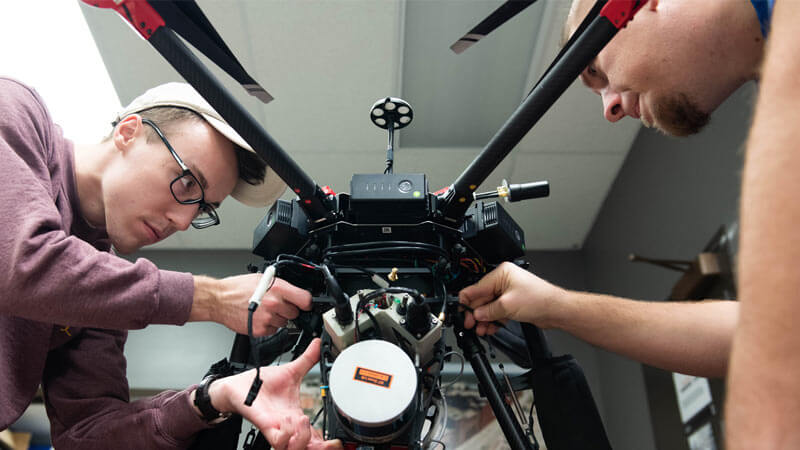
Digital Imaging and Remote Sensing Laboratory
The DIRS Laboratory focuses on the development of tools to extract information about the Earth from aerial and satellite imaging systems with an emphasis on the application of science and engineering to solving end-to-end remote sensing problems using a systems engineering approach.
Learn more about the Digital Imaging and Remote Sensing Laboratory
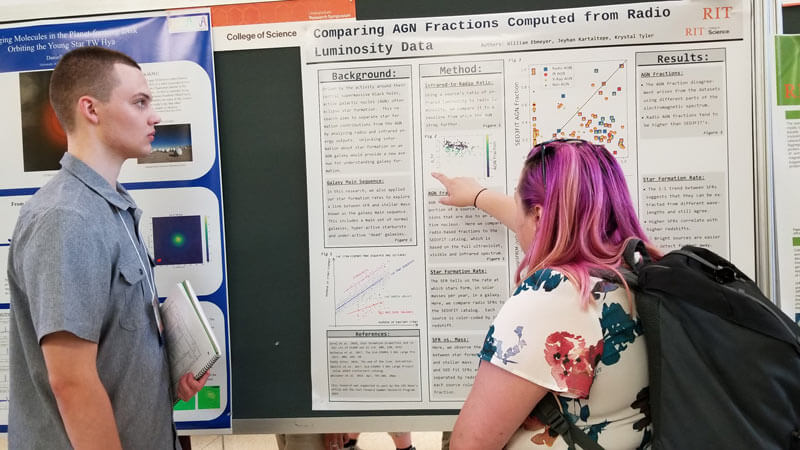
Laboratory for Multiwavelength Astrophysics
The mission of LAMA is to foster the utilization and advancement of cutting-edge techniques in multiwavelength astrophysics by RIT faculty, research staff, and students, so as to improve human understanding of the origin and fate of the universe and its constituents.
Learn more about the Laboratory for Multiwavelength Astrophysics


Related News
-
November 13, 2020

RIT celebrates graduate student research with weeklong virtual symposium Nov. 16-20
RIT will celebrate graduate research during the 13th annual Graduate Education Week and Showcase: A Vision into the Future. The virtual event—Nov. 16 to 20—creates a platform for sharing and exchanging ideas during the COVID-19 pandemic, with pre-recorded and live presentations, demonstrations, visual exhibitions, and an alumni panel discussion.
-
June 23, 2020

RIT building imaging systems to help libraries and museums uncover lost texts
Scientists from RIT are developing affordable imaging systems to help libraries and museums preserve and expand access to their historical collections. The project, funded by a grant from the National Endowment for the Humanities, aims to create a low-cost spectral imaging system and software that can be used to recover obscured and illegible text on historical documents.
-
June 23, 2020

RIT’s Digital Imaging and Remote Sensing Laboratory now offering services to the public
Through the Digital Imaging and Remote Sensing (DIRS) Enterprise Center, customers can now hire faculty and staff from RIT’s Chester F. Carlson Center for Imaging Science to provide training, consulting, data collection, equipment calibration and more in relation to drones, imaging and remote sensing technology.
-
June 5, 2020
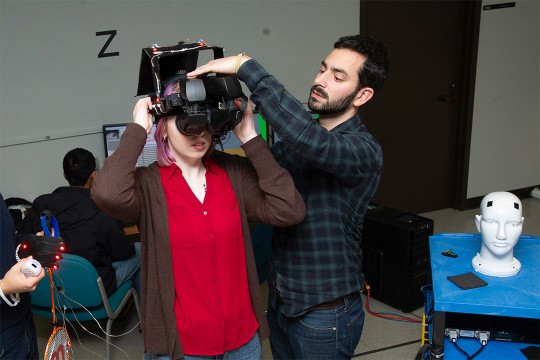
RIT faculty earns NIH grant to use virtual reality to help stroke patients regain lost vision
Scientists from RIT and the University of Rochester aim to use virtual reality to help restore vision for people with stroke-induced blindness. The team of researchers led by RIT's Gabriel Diaz, are developing a method they believe could revolutionize rehabilitation for patients with cortically induced blindness, which afflicts about 1% of the population over age 50.